SEO
Organic visibility for capability and product searches, measured through search impressions and visits to capability pages.
SEO
- 8,000+monthly search impressions
- 1,000+monthly organic capability-page visits

Generate commercial enquiries, RFQs and supplier opportunities through energy-sector SEO, paid advertising, capability content and LinkedIn marketing.
01Who we help
Our energy-sector digital marketing services can support.
The strategy is adapted to the company's capabilities, commercial model and intended market. An oilfield equipment supplier may need product visibility and RFQ enquiries, while an EPC contractor may prioritise project opportunities and capability visibility. A renewable energy company may require a different approach to reach project owners, partners or commercial decision-makers. Tell us about your operation →
02Why energy
Oil, gas and energy purchasing decisions are often more complex than a straightforward product or service purchase.
Search intent therefore matters. Someone looking for a specific oilfield product, engineering capability or energy service needs to reach information that directly addresses that requirement — not a generic company profile.
The quality of an enquiry is equally important. A high volume of website visitors or form submissions has limited commercial value if they do not match the company's capabilities, target market, project requirements or supplier profile. Effective energy-sector digital marketing therefore connects:
before making contact.
03What we do
What digital marketing services do energy companies need?
Each row pairs a commercial goal with the service that delivers it. Hover or click a goal to see the details.
Be found for specific energy services, products and capabilities
Energy-sector searches can begin with a specific product, technical service, application, project requirement, industry or supplier location.
Prospective clients need to find the right capability quickly and understand whether it is relevant to their requirement. We optimise technical SEO, capability pages, product and service categories, industry and location content, and internal linking to improve relevant search visibility. The focus is on helping procurement teams, engineers, contractors and project professionals discover the capabilities that match their requirements.
Capture active commercial demand
We manage Google Search, LinkedIn and remarketing campaigns around defined products, services, capabilities, industries, locations and target audiences.
Keywords, audience targeting, advertisements, landing pages and conversion tracking are considered together. Campaigns can direct relevant prospects towards an RFQ, supplier enquiry, capability discussion, consultation or other agreed commercial action.
Demonstrate technical capability and relevant experience
Energy-sector buyers often need to understand a company's capabilities and relevant experience before progressing a commercial conversation.
We create and improve capability pages, product and service pages, sector pages, landing pages and case studies. Where information is approved for publication, content can cover applications, project experience, technical capabilities, service locations, certifications, quality processes, HSE information and other relevant credentials. The objective is to make important information easier to find and evaluate without overstating capabilities or making claims that cannot be substantiated.
Help buyers verify whether the company is suitable
A buyer checking whether a supplier is eligible is looking for specifics, not a brochure.
We organise specifications, applications, certifications, industries served and locations around the requirement a prospect arrived with, so the questions asked during verification are answered on the page rather than in a later email.
Build professional credibility with B2B decision-makers
LinkedIn can help energy companies build professional visibility among procurement teams, engineers, contractors, consultants and project decision-makers.
Content may showcase capabilities, projects, products, technical knowledge, exhibitions, industry participation, safety initiatives, company developments and subject-matter expertise. Regular communication also gives prospective clients a clearer view of the organisation while they research and evaluate potential suppliers. Other social platforms can support recruitment, employer branding and visual project communication where relevant to the business.
Reach defined industrial and energy audiences
The people who specify and approve industrial purchases are a small, defined audience.
We build demand among relevant companies, sectors and job functions using the targeting each platform permits, so budget goes to the organisations that could place the work rather than to general reach.
Stay visible during long procurement cycles
Procurement cycles in energy are long, and the first visit is rarely the deciding one.
We reconnect with people who have researched the company, a capability or a project without enquiring, so the business stays in view through a cycle that can run for months. Audiences follow what someone actually looked at.
Support supplier and local-market positioning
Oil, gas and energy companies may serve multiple countries, supply international projects or seek distributors, contractors and commercial partners across different markets.
We organise capability, product, industry and market content to support relevant international searches and location-specific demand. Paid campaigns can also be focused on priority countries or regions where the business is seeking qualified supplier enquiries, project opportunities or commercial partnerships.
Be understood in AI-led research
Technical and procurement audiences are increasingly using AI assistants and AI-powered search tools to research companies, products, technical capabilities and potential suppliers.
We structure company information, services, products, applications, project experience, locations and frequently asked questions clearly so search engines and AI-powered platforms can better understand the business and retrieve relevant information.
Turn technical interest into commercial action
Technical interest only becomes commercial when the next step is obvious.
We make the RFQ, enquiry, consultation and project-discussion paths clear and easy to follow, and remove the friction between a prospect deciding to make contact and actually doing it.
Understand which activities create commercial opportunities
Impressions and clicks say nothing about whether an RFQ arrived.
We connect search, advertising and content activity to the commercial actions the business agrees matter -- RFQs, enquiries, consultations -- so reporting shows which activity produced an opportunity and which did not.
Make it easy for buyers to request a quotation
We create tailored websites for energy companies that make it easy for buyers to send an enquiry or request a quotation.
Websites can also be built as AI-powered websites that personalise case studies by industry and connect enquiry forms to your CRM.
What we cover
Reach buyers who research and compare options in ChatGPT
ChatGPT Ads let a relevant sponsored advertisement appear below the ChatGPT response when buyers are researching and comparing energy companies.
ENH Marketing plans, launches and manages ChatGPT Ads campaigns for energy companies through OpenAI Ads Manager, subject to OpenAI's current advertising rules.
What we cover
04Approach
The decision-making process can involve several stakeholders, including procurement teams, engineers, consultants, contractors, project managers and senior management. Depending on the opportunity, a company may also need to complete vendor registration, supplier approval or prequalification before progressing towards a commercial opportunity.
We assess the website, capability and product pages, search visibility, paid campaigns, LinkedIn and enquiry tracking, to find where capabilities are hard to find and opportunities are being lost.
We identify the products, services, sectors, locations and decision-makers that deserve priority, and connect each to the right page, campaign, audience and commercial action.
SEO, paid advertising, capability content and LinkedIn are planned around how procurement teams, engineers and technical decision-makers research energy companies.
Capability information, project experience, credentials and calls to action are reviewed so prospects can assess suitability and move to an RFQ, supplier enquiry or commercial discussion.
We track search visibility, capability-page activity, RFQs, supplier enquiries, qualified leads and campaign costs, then adjust priorities towards what produces opportunities.
Not sure where to start?
Find out what needs attention first.
We will review how buyers currently find the business and what happens before they submit an RFQ or supplier enquiry. The proposal will show whether SEO, paid advertising, content, LinkedIn or conversion tracking needs attention first.
05Results
Across different oil, gas and energy campaigns, ENH has achieved results including:
Organic visibility for capability and product searches, measured through search impressions and visits to capability pages.
SEO
Reach among procurement teams, engineers and technical decision-makers, measured through LinkedIn reach and profile visits.
06Measurement
Energy marketing should connect digital activity with meaningful commercial opportunities — not stop at traffic, impressions or social reach. ENH tracks the actions that help show whether visibility is reaching relevant buyers and contributing to the commercial pipeline.
The objective is to understand which capabilities, markets, audiences and channels are contributing to meaningful commercial opportunities.
The proof — 28 client stories
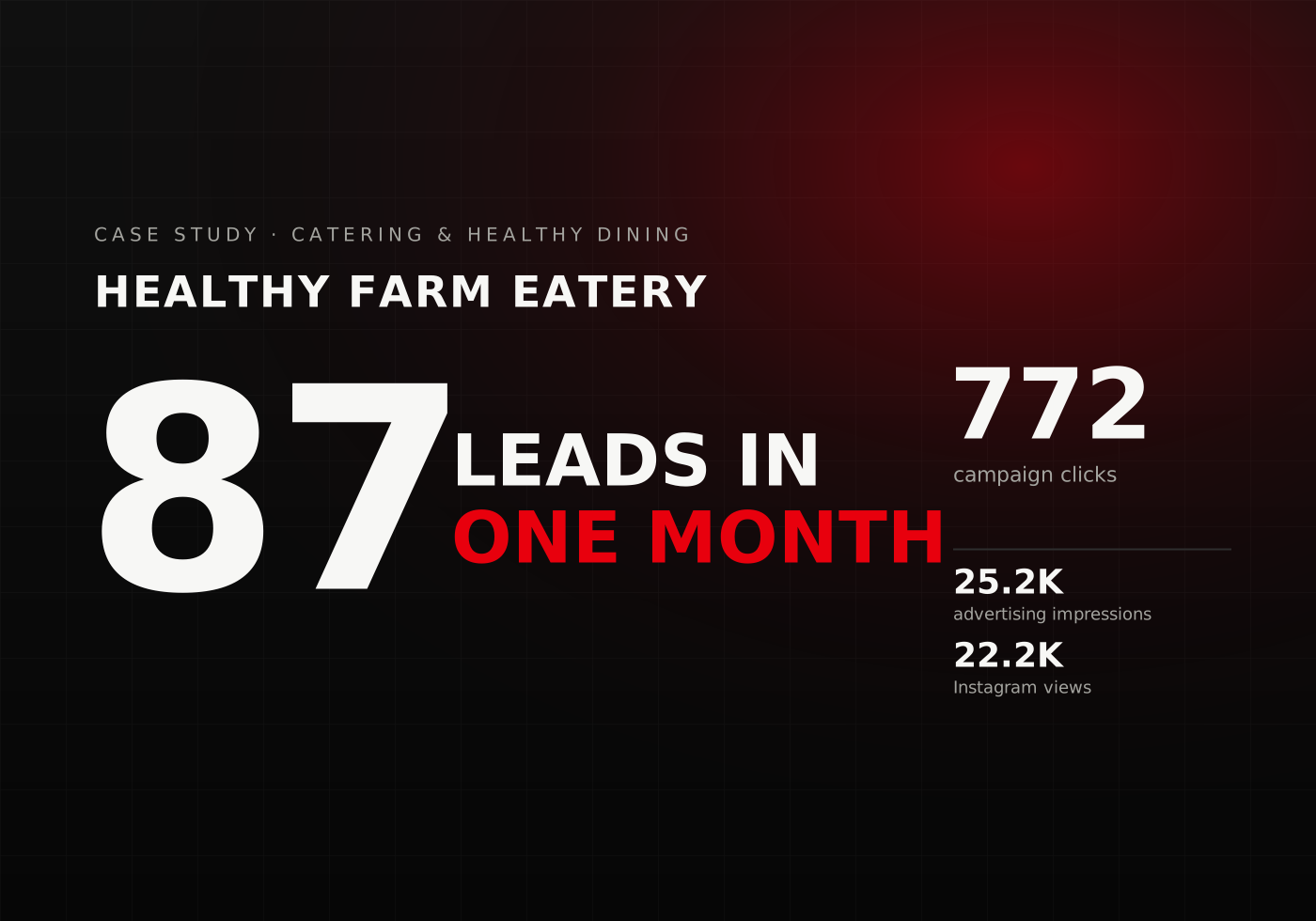
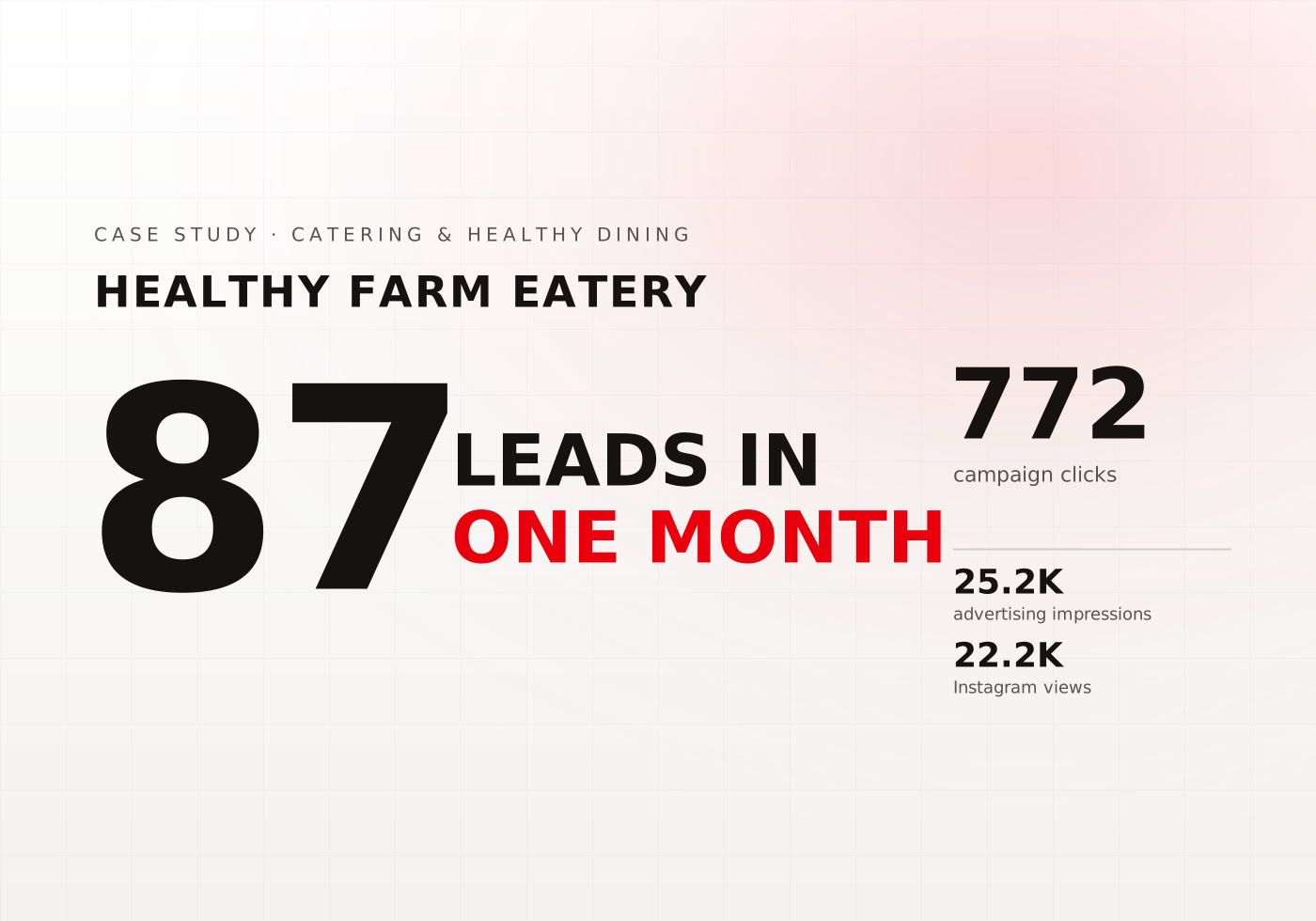
Consistent Sales Growth Driven by High-Quality Lead Generation
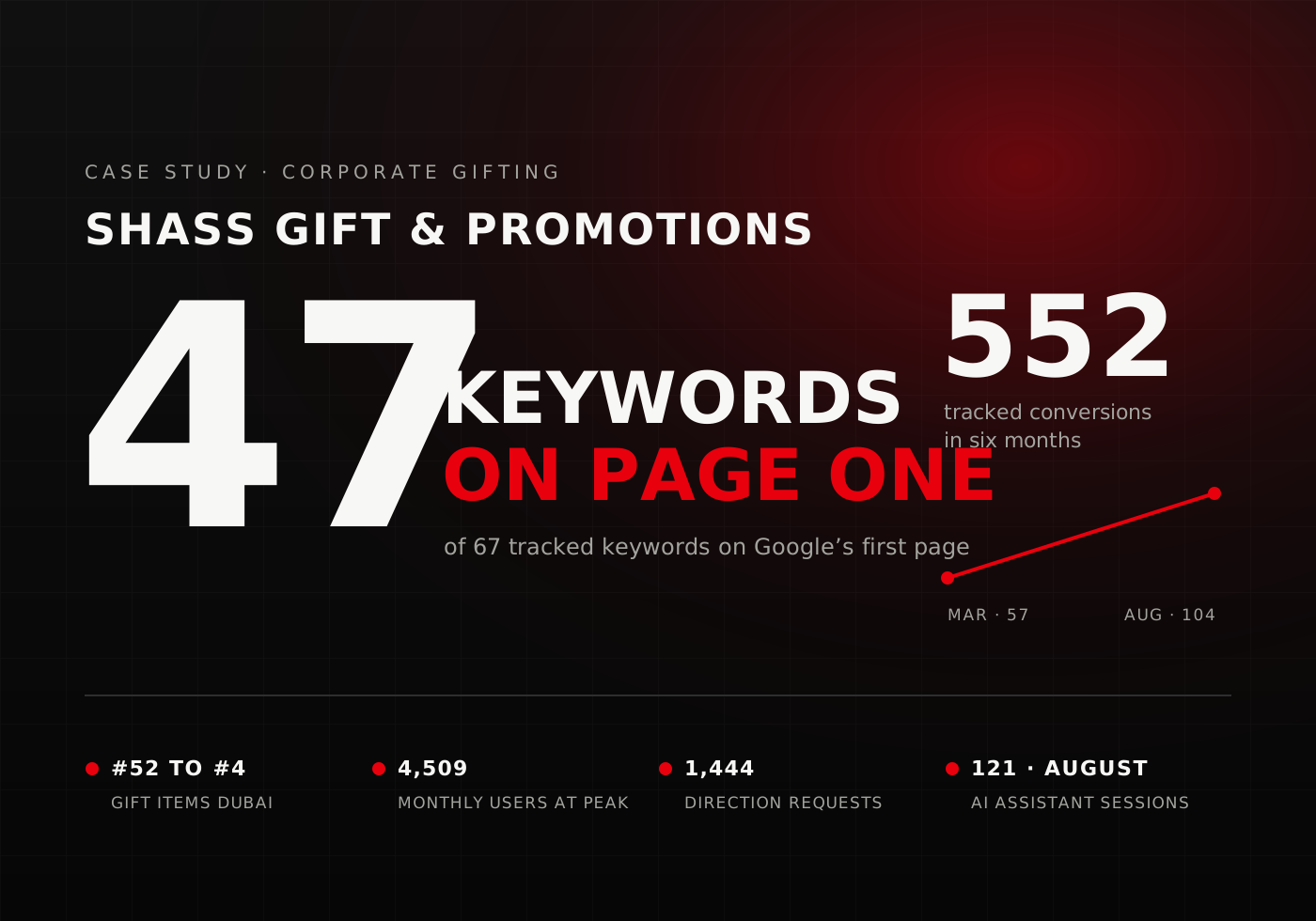
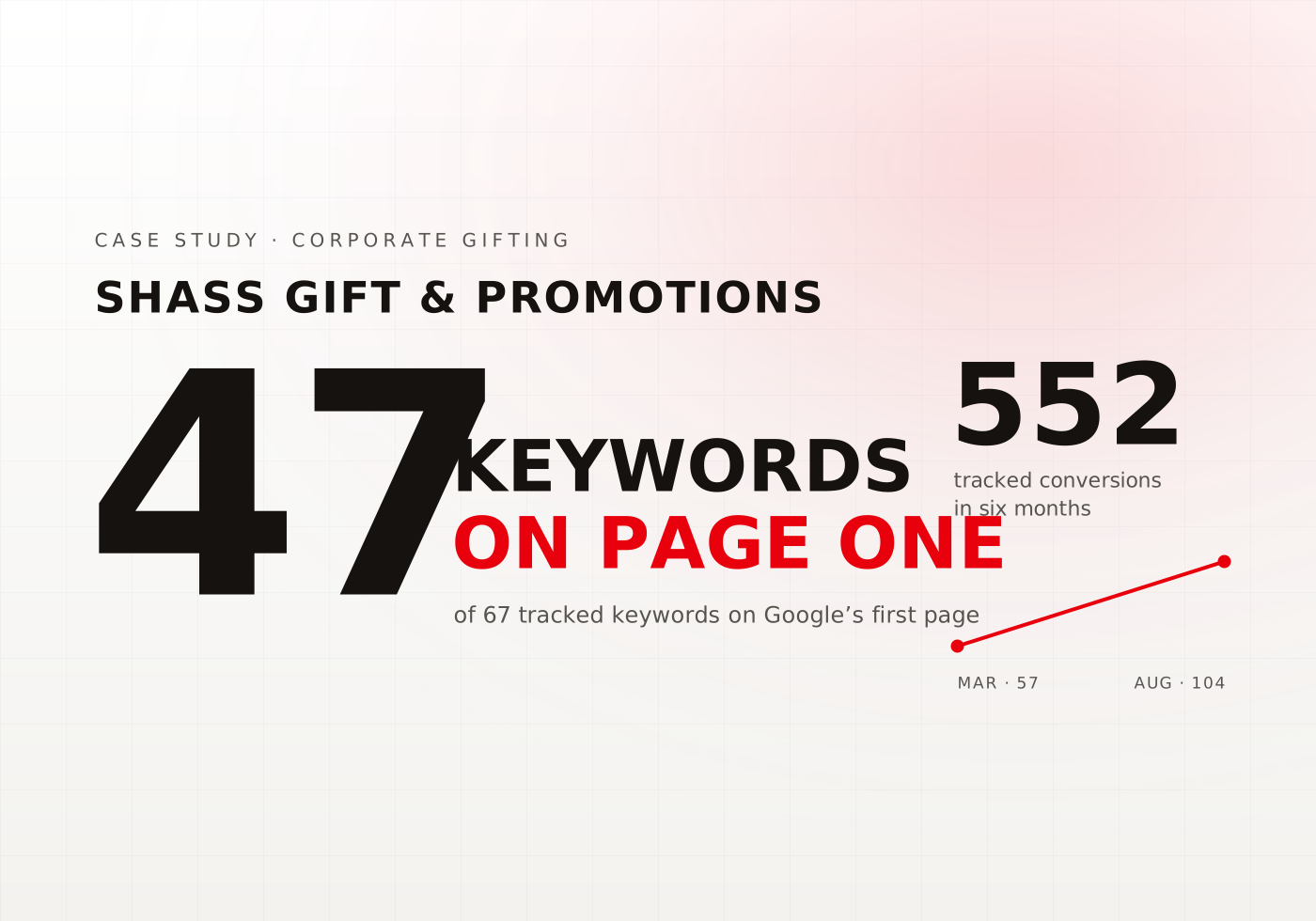
Driving Search & Local Market Dominance for a Corporate Gifting Brand
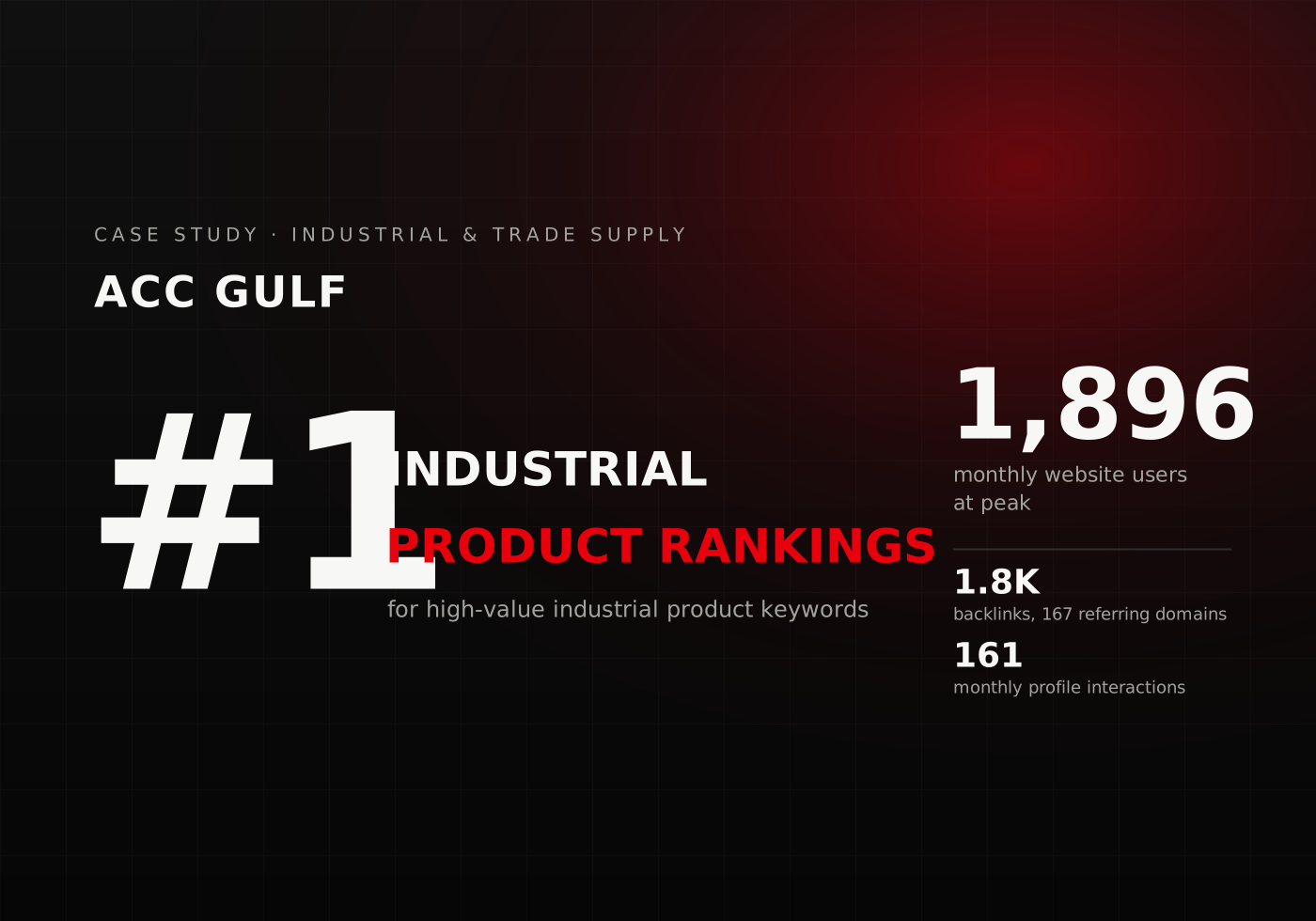
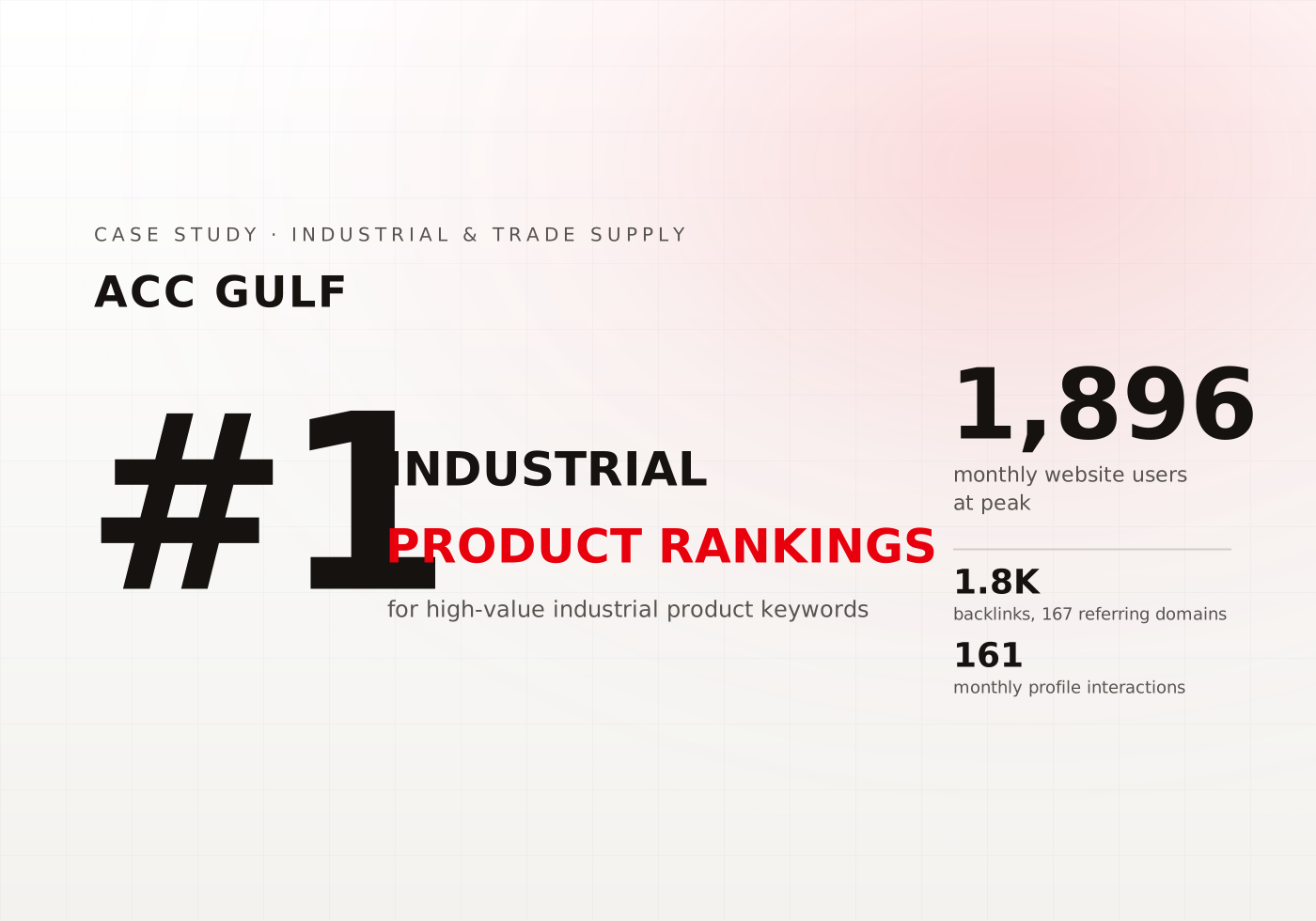
Strengthening Search Authority & Local Lead Growth in Industrial Supply
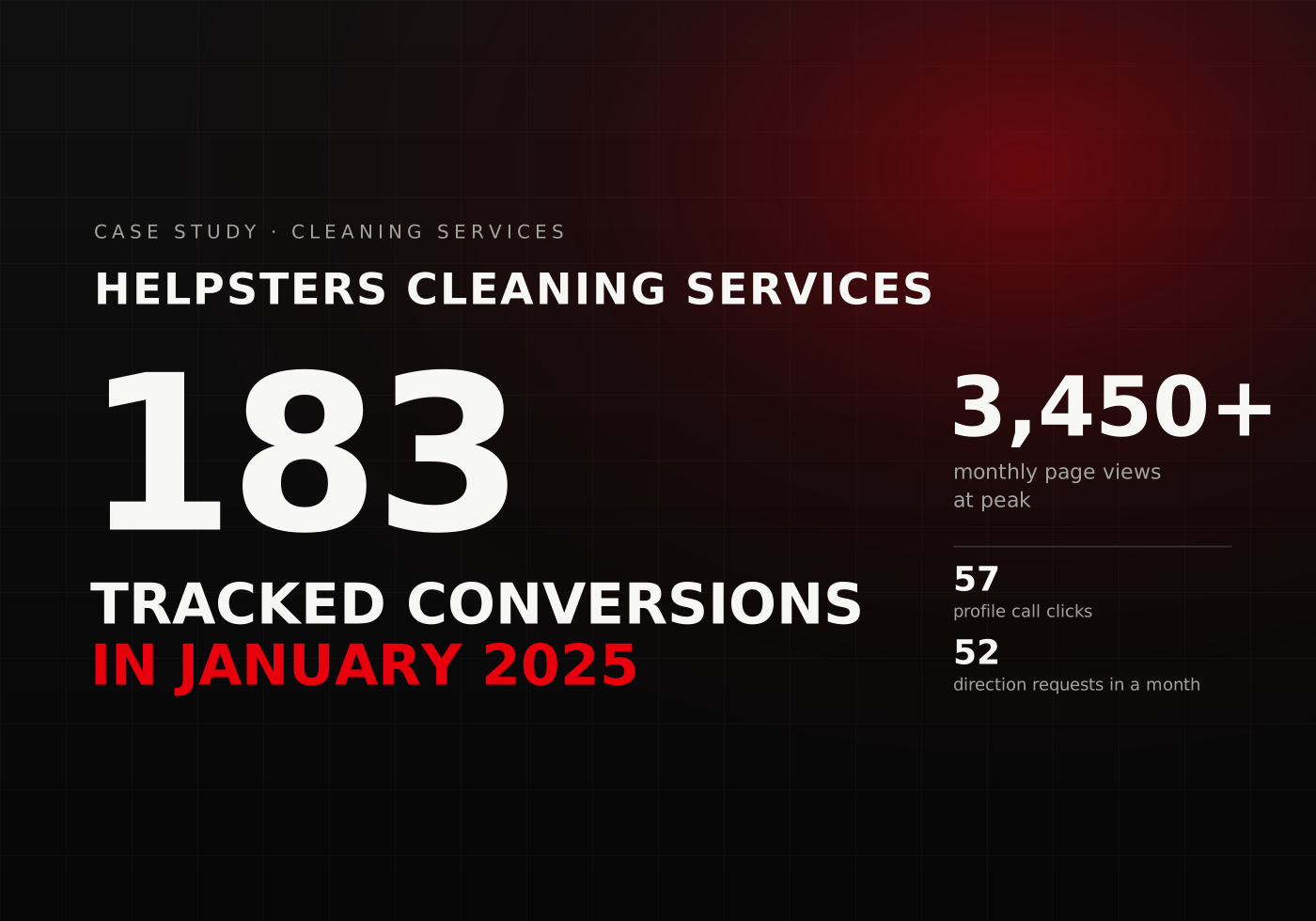
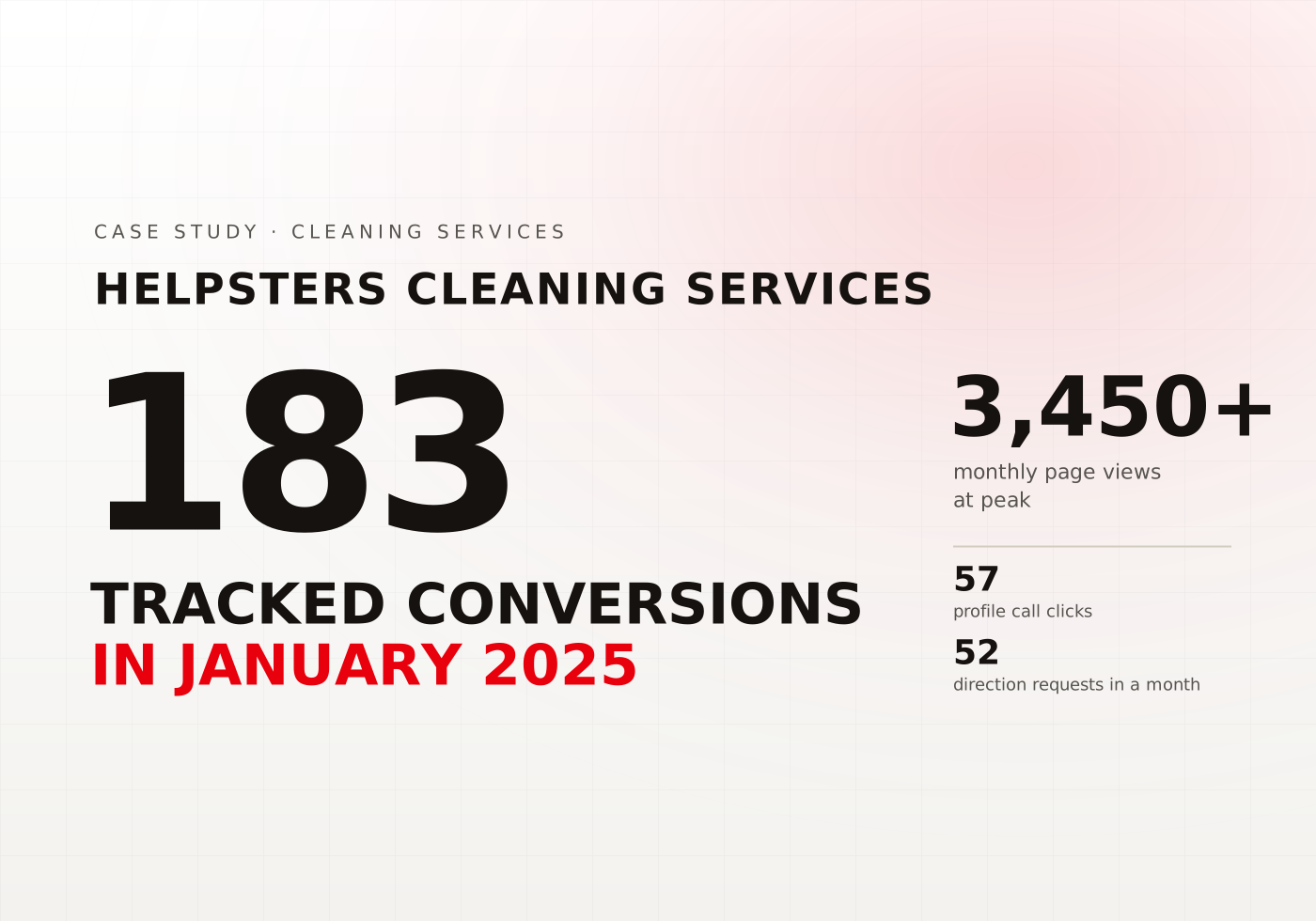
Capturing High-Value Cleaning Contracts Through Targeted SEO
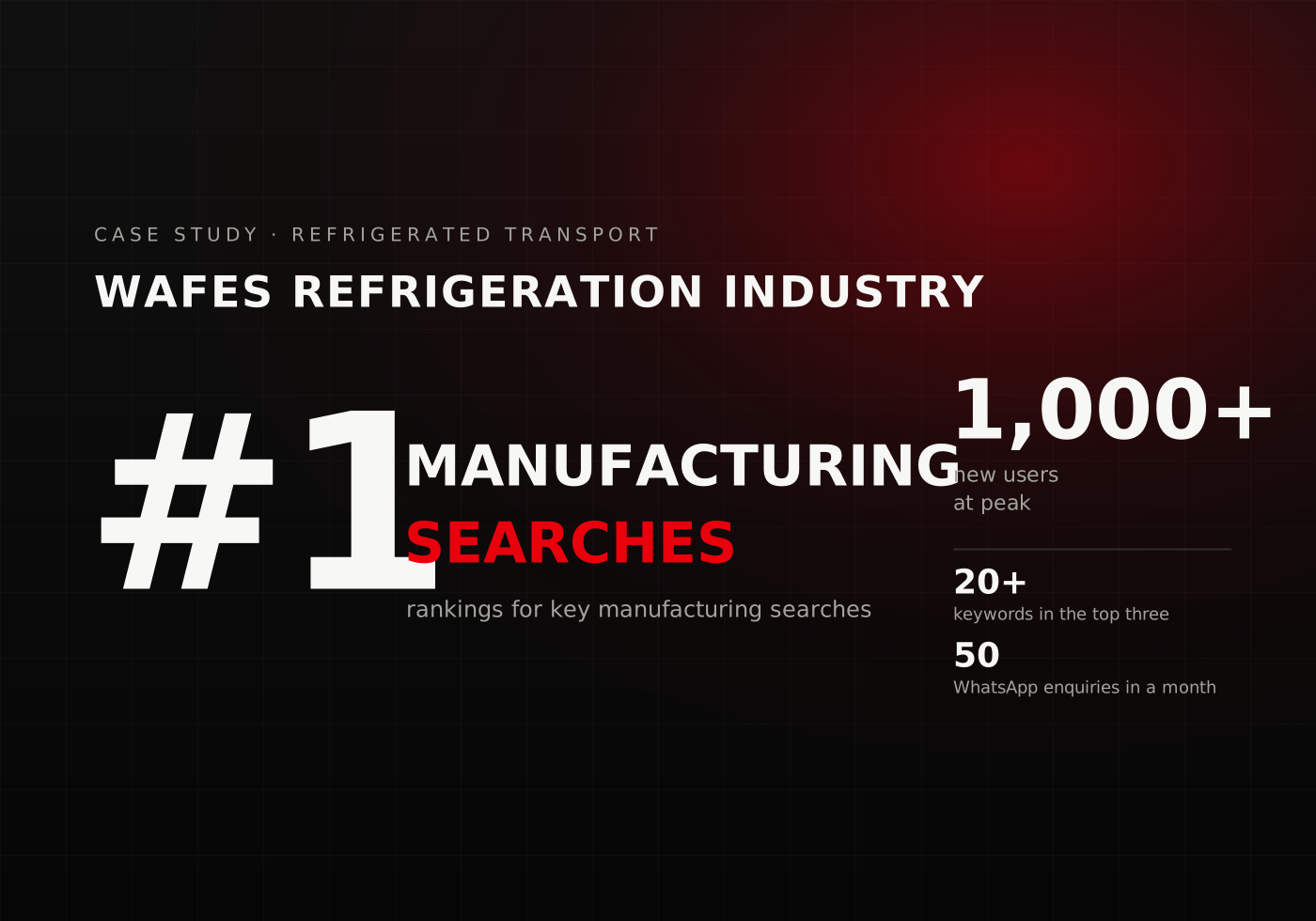
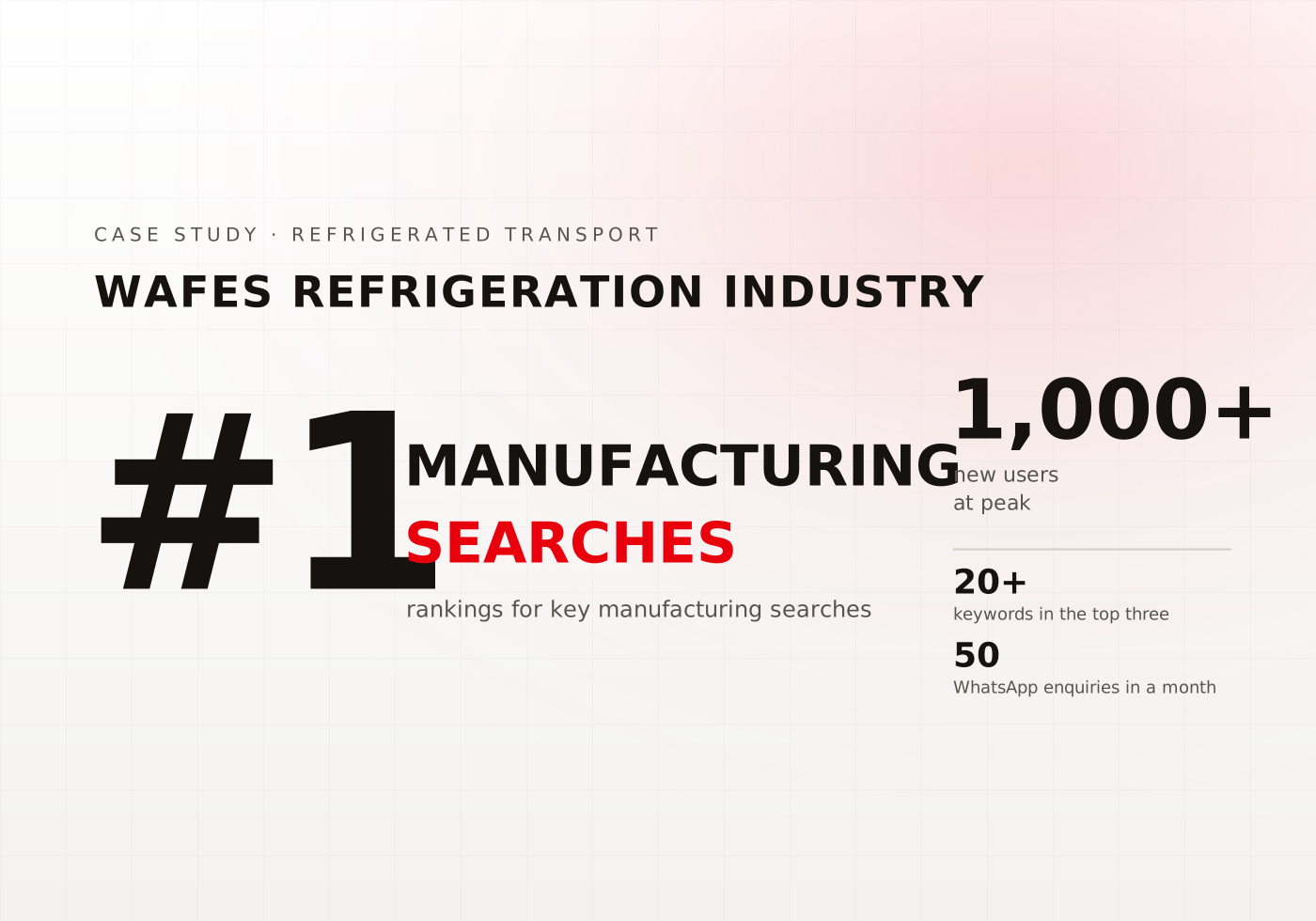
Transforming Digital Visibility for a Refrigeration Manufacturer
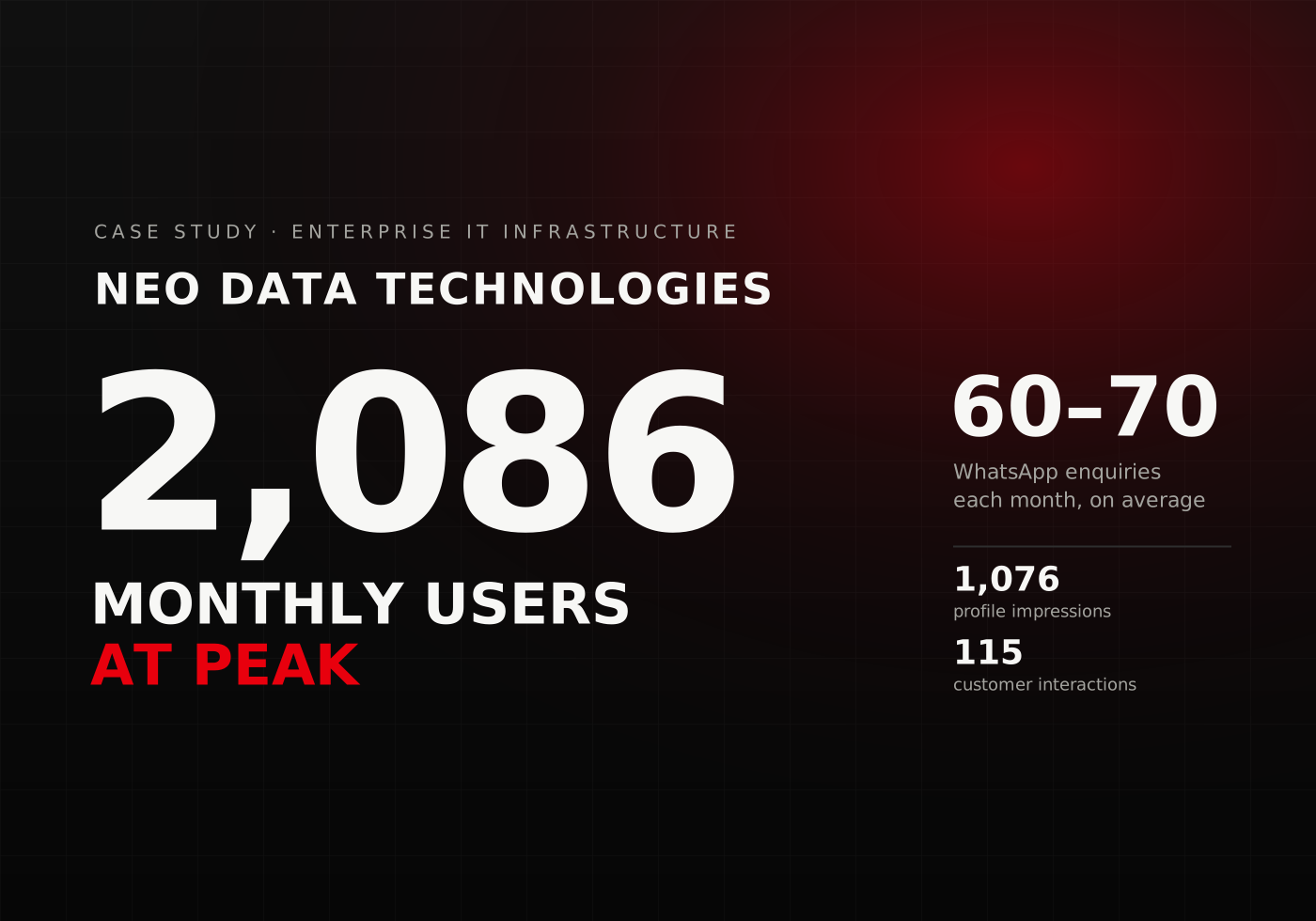
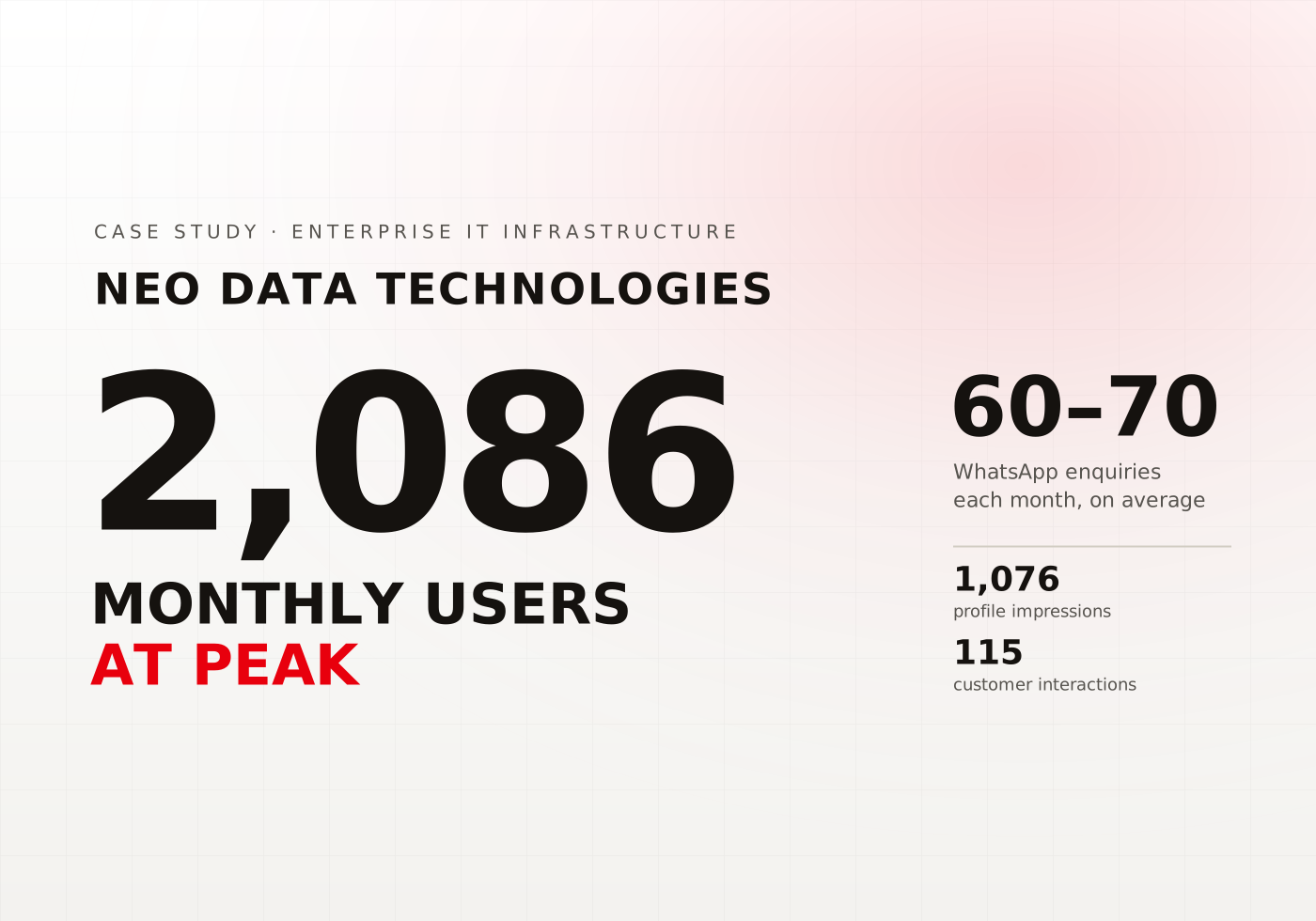
Expanding Search Visibility & Lead Growth for an Enterprise IT Distributor
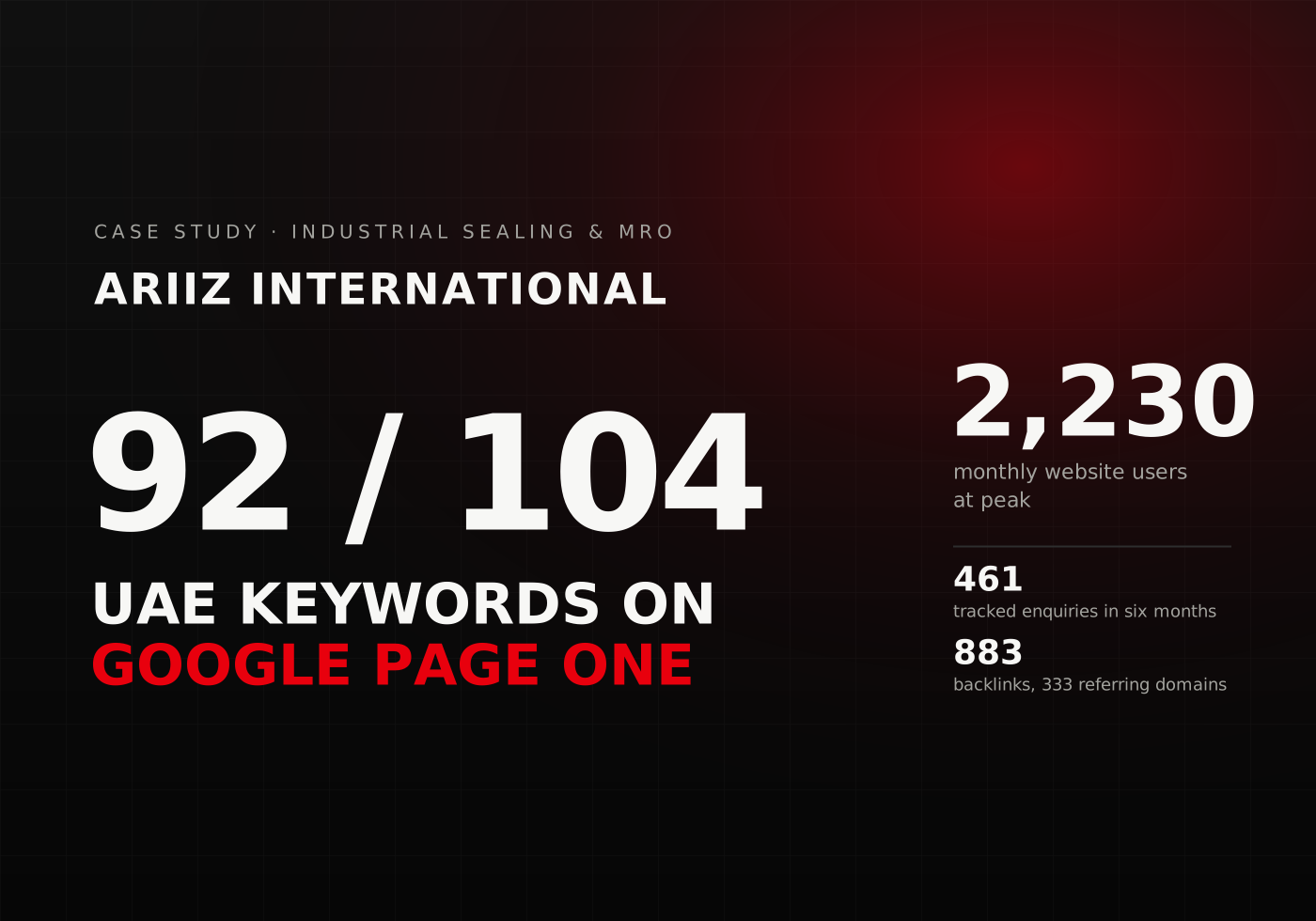
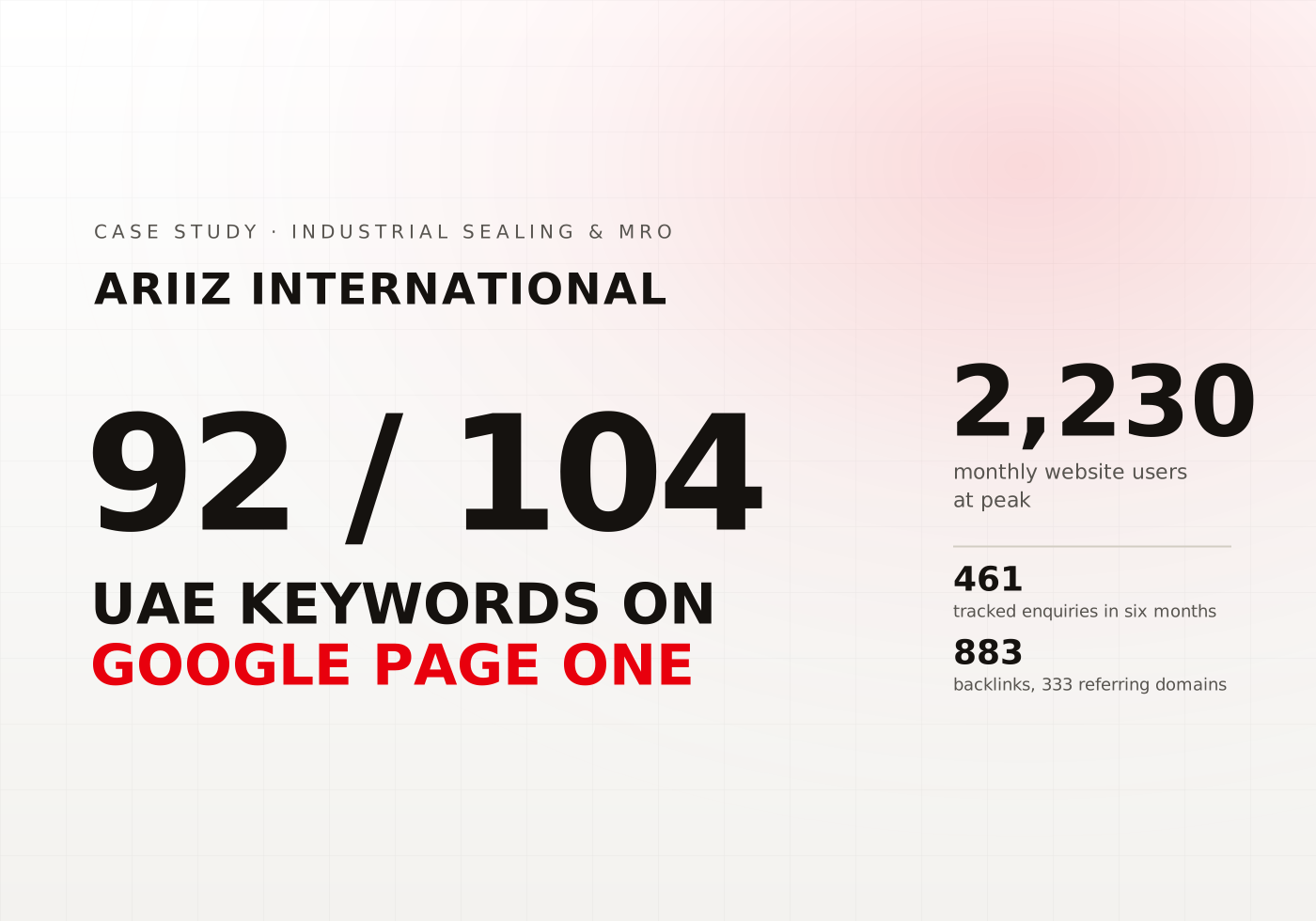
Driving High-Intent Search Growth for an Industrial Sealing Supplier
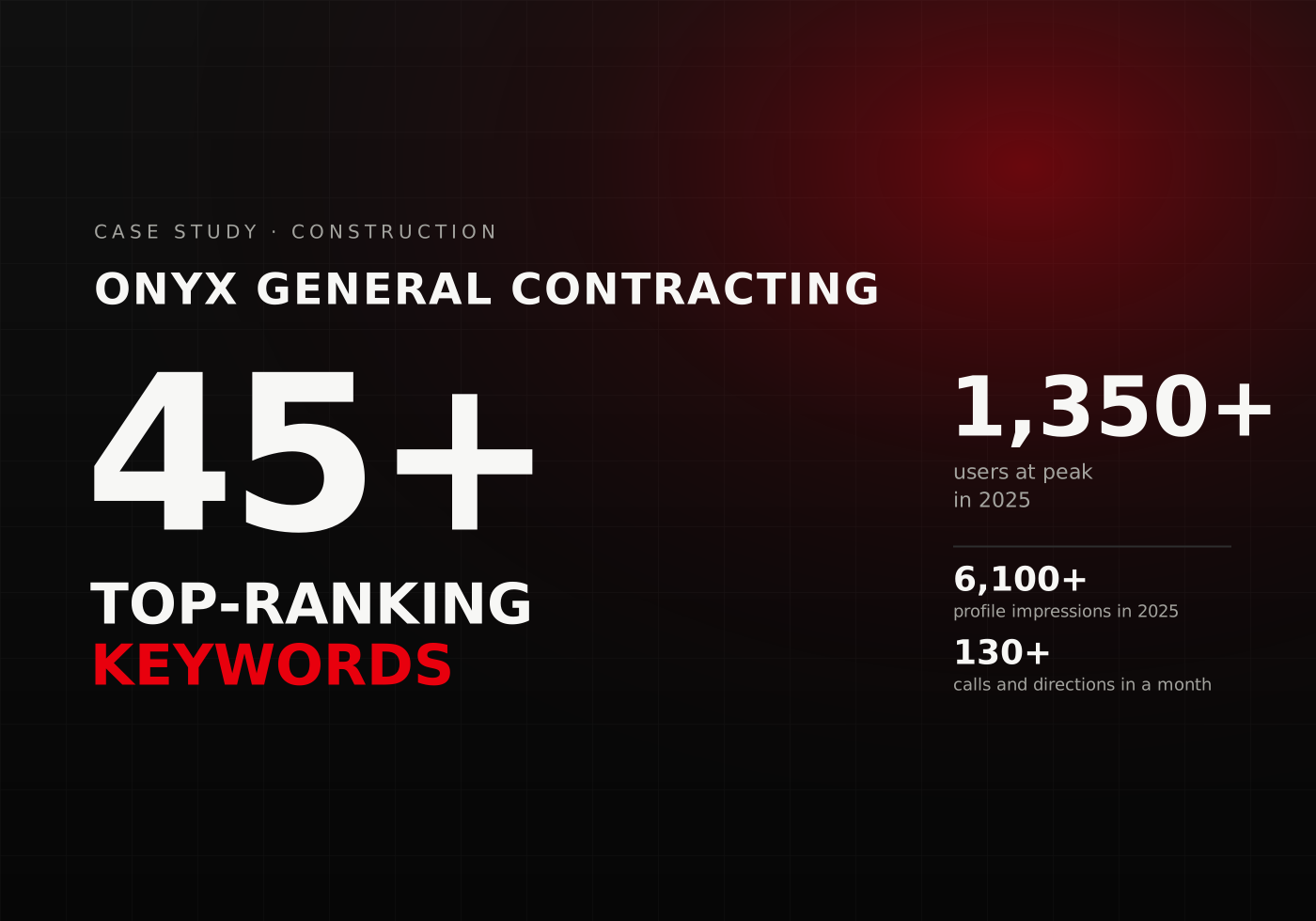
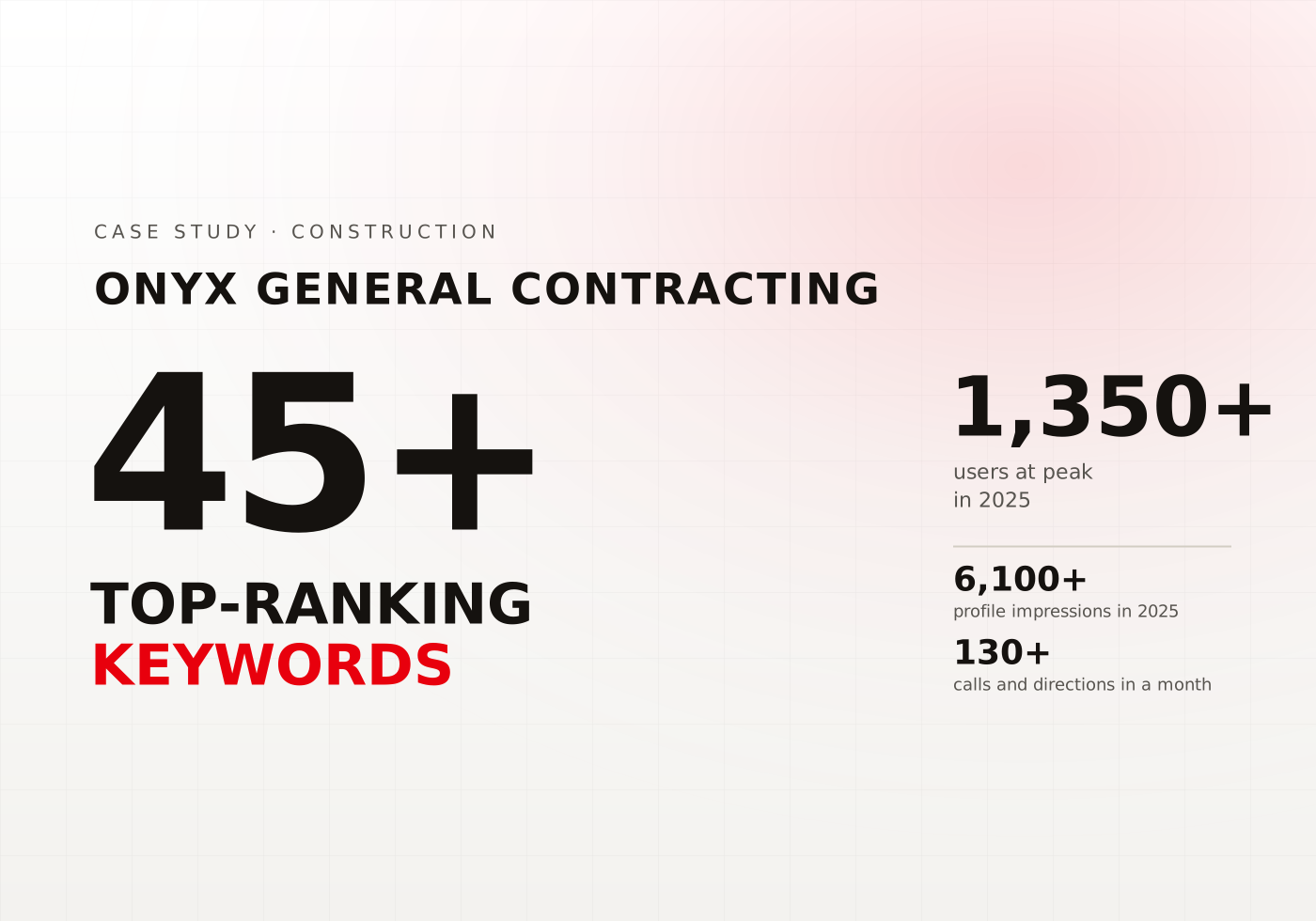
Achieving Digital Dominance with 1,350+ Monthly Users and 6,100+ GMB Impressions
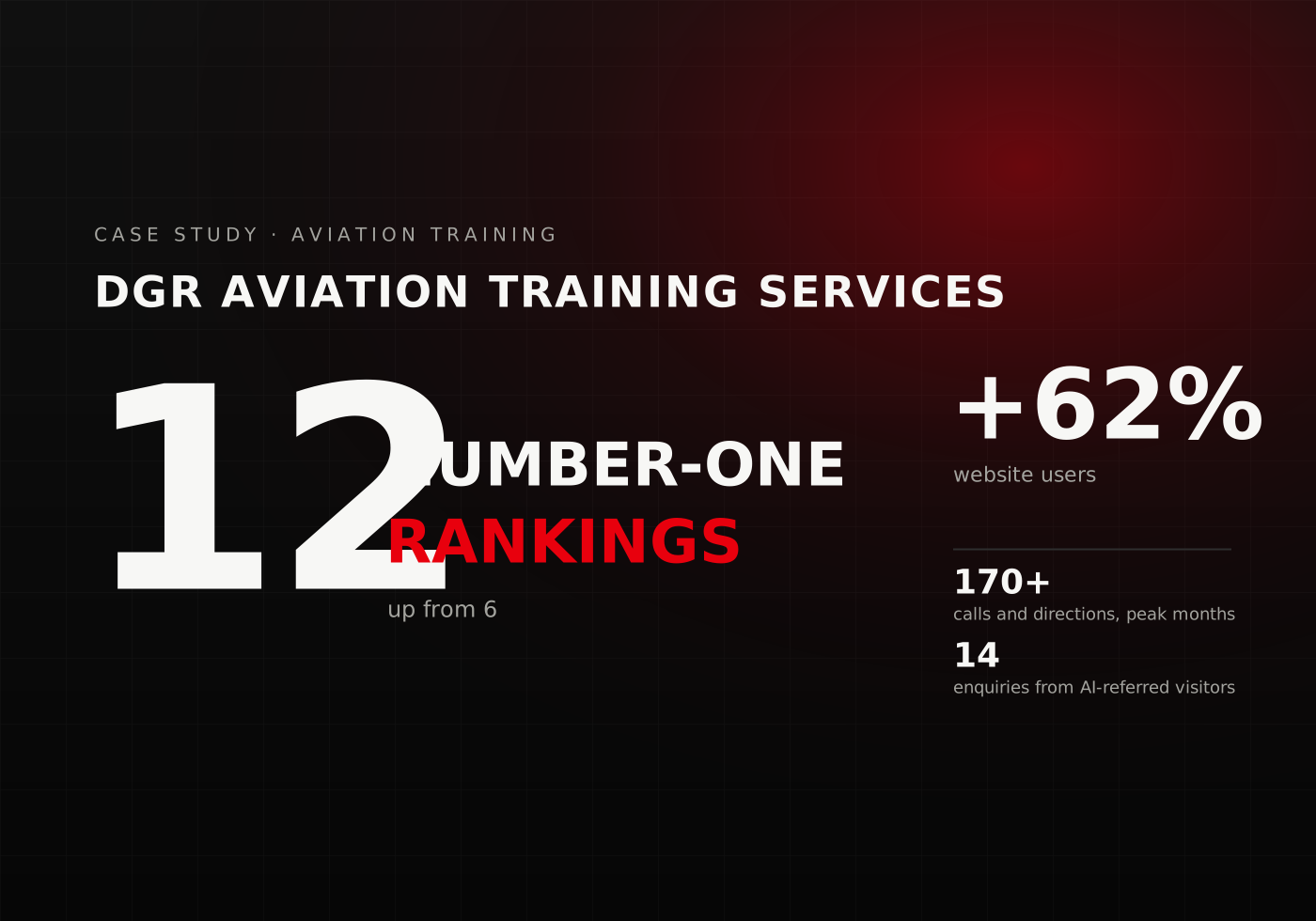
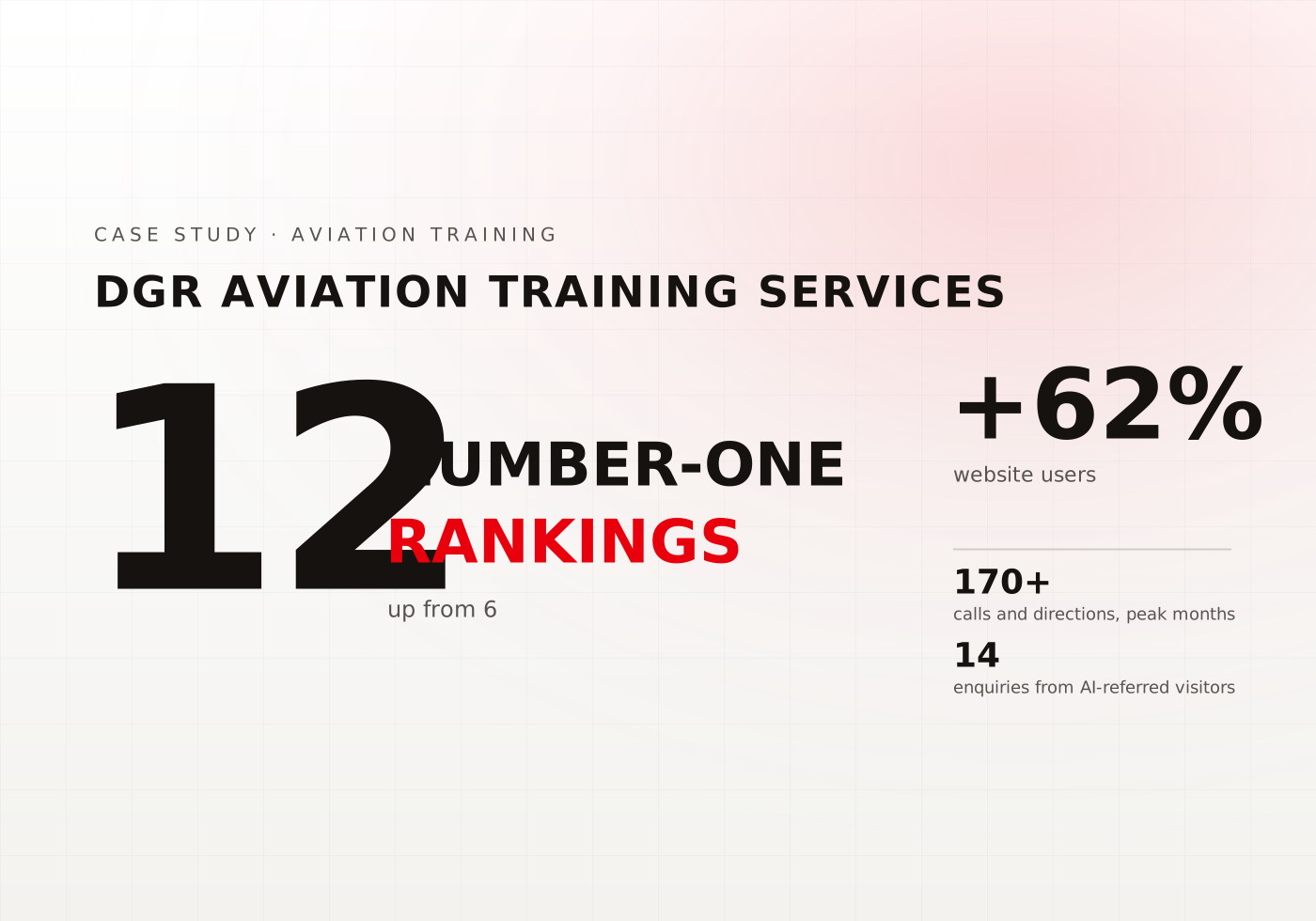
Driving High-Intent Visibility for Aviation Compliance Training
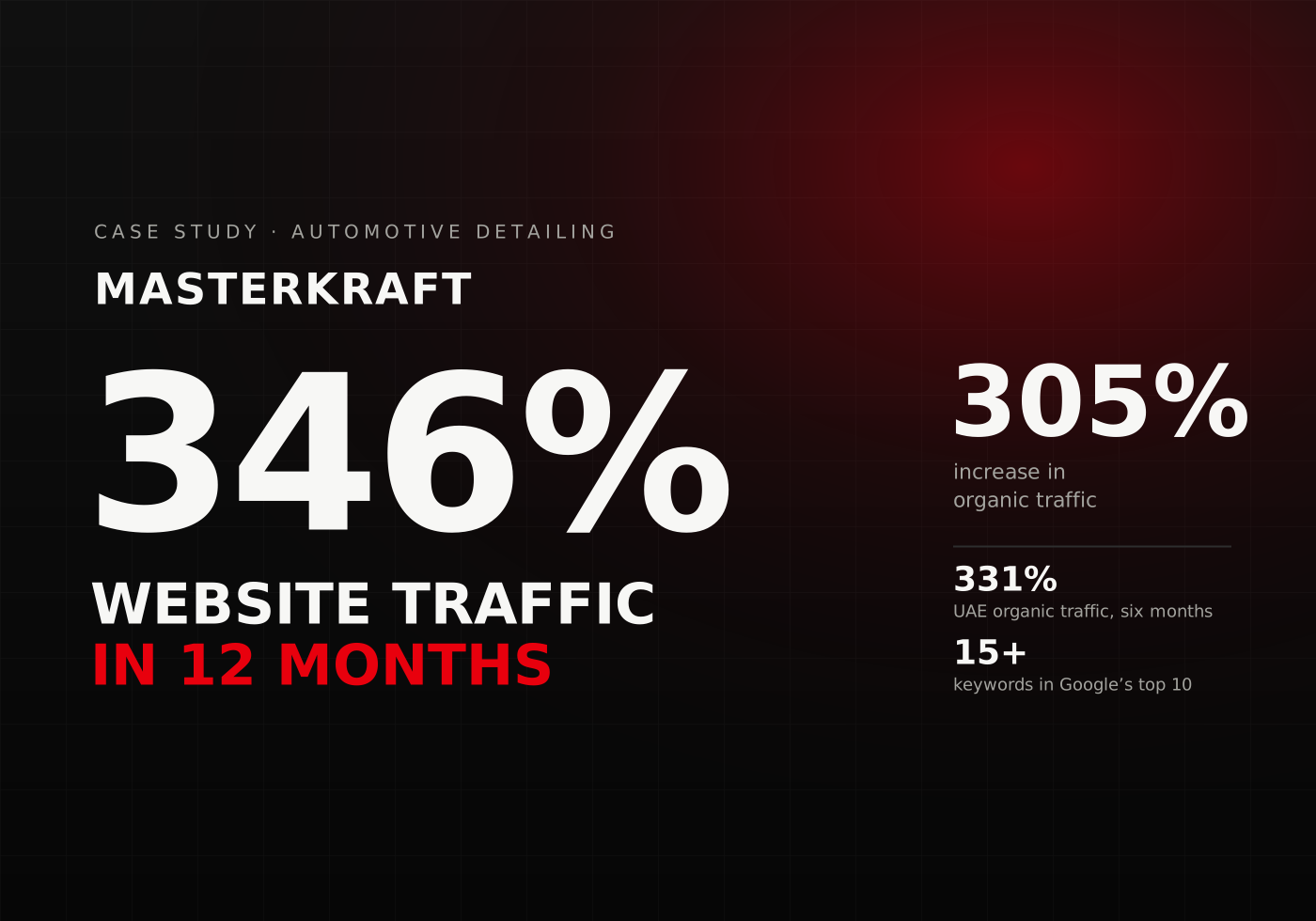
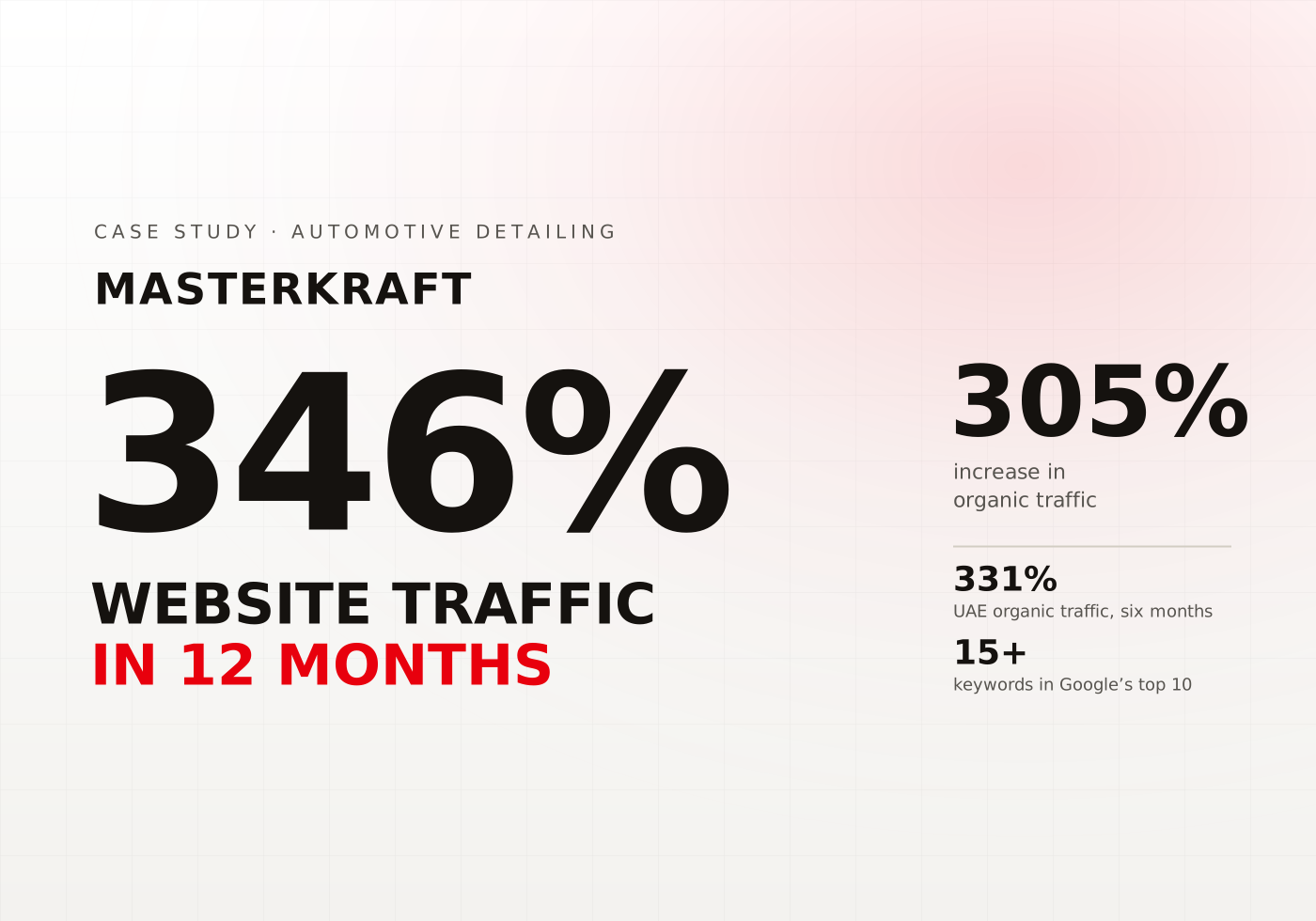
Driving Digital Growth with a 346% Increase in Website Traffic
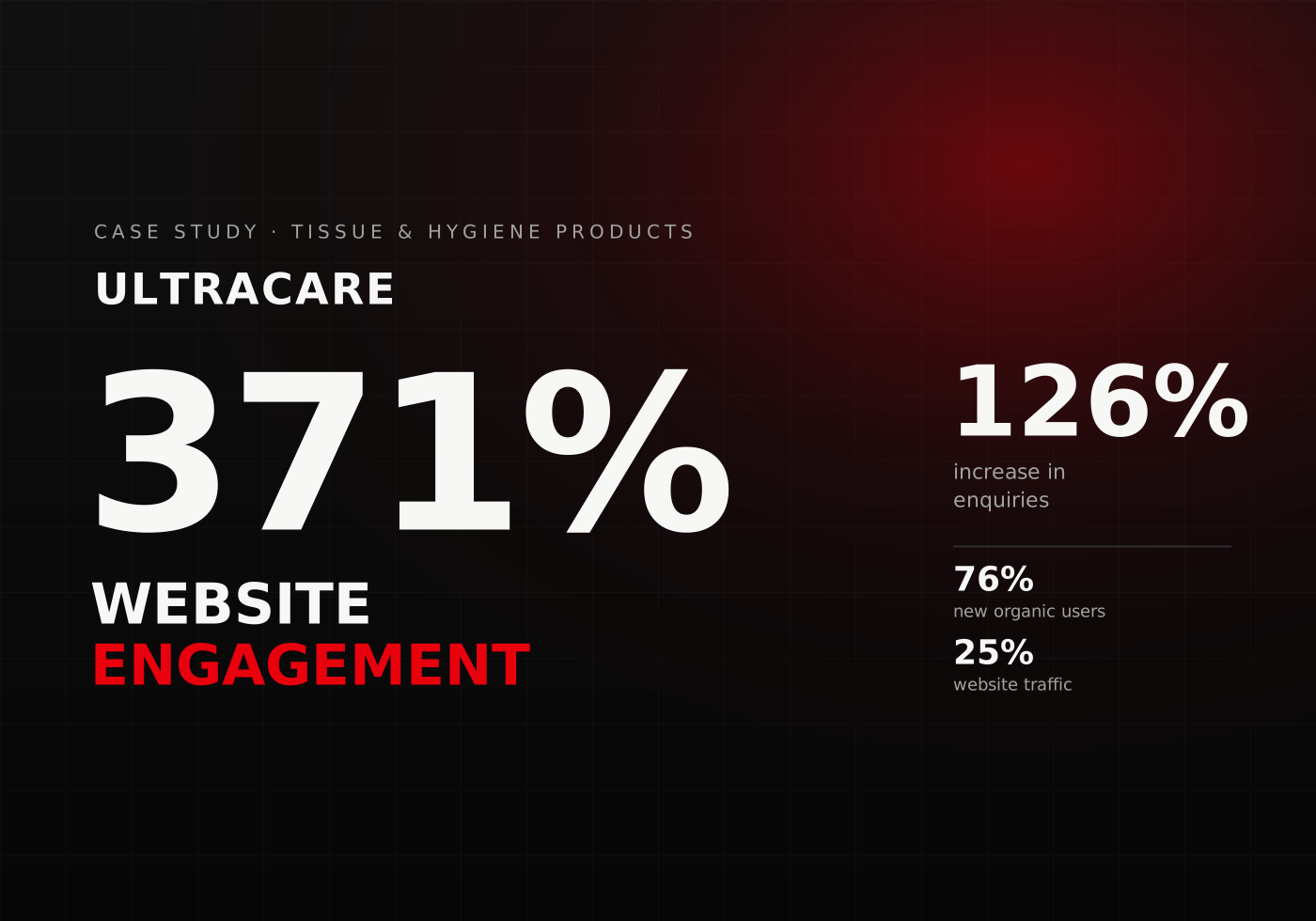
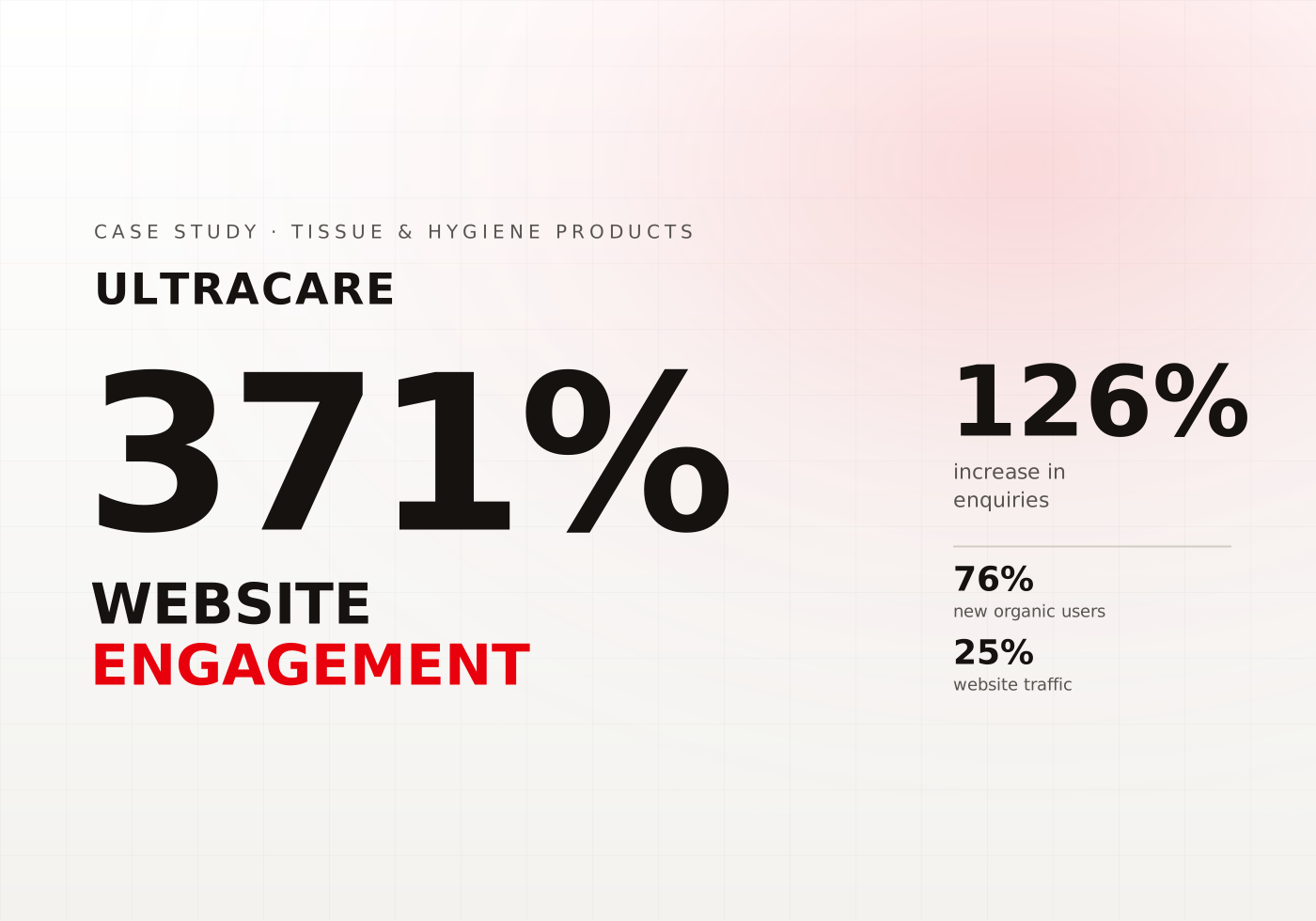
Elevating Engagement - A 371% Boost in Website Interactions
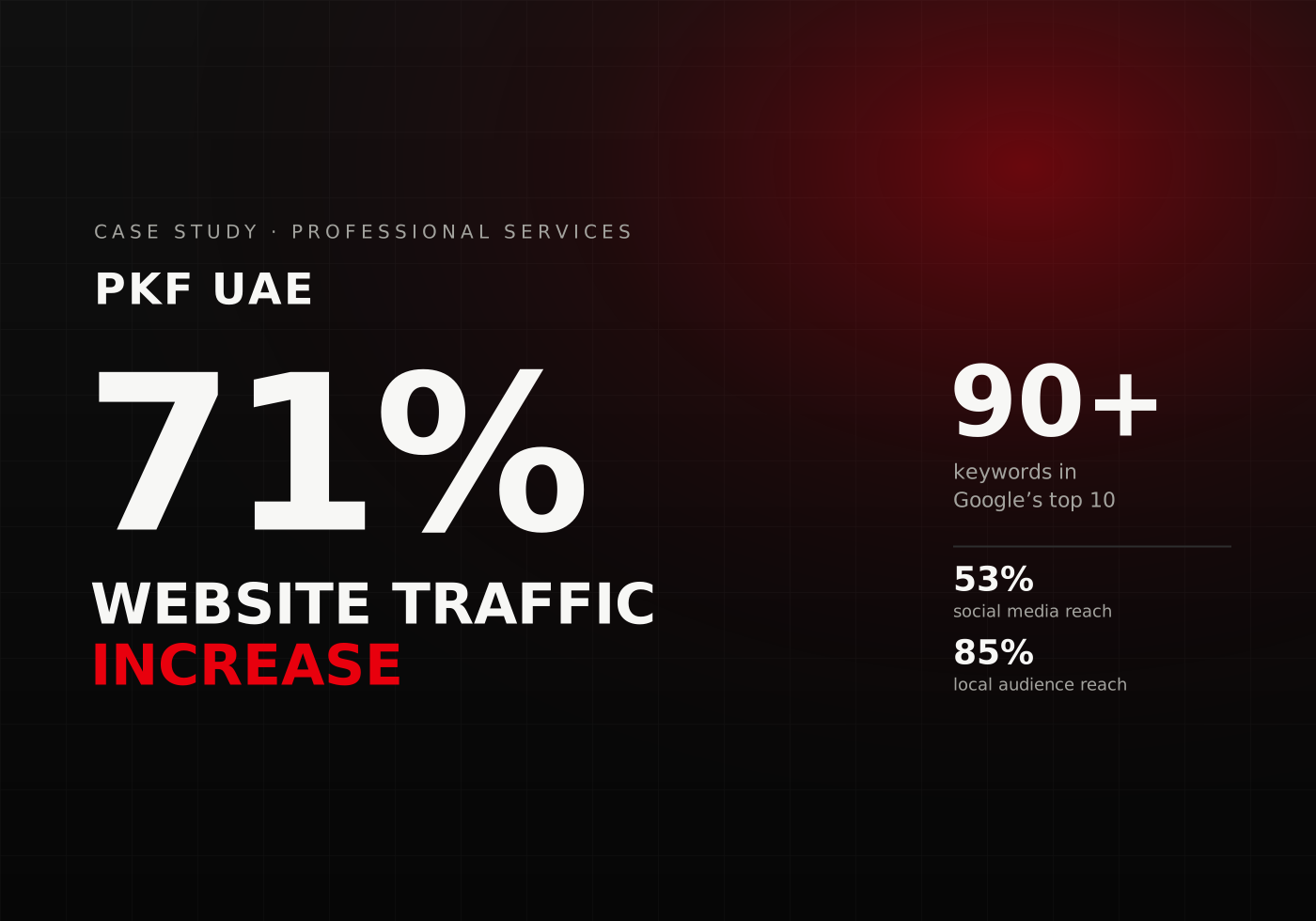
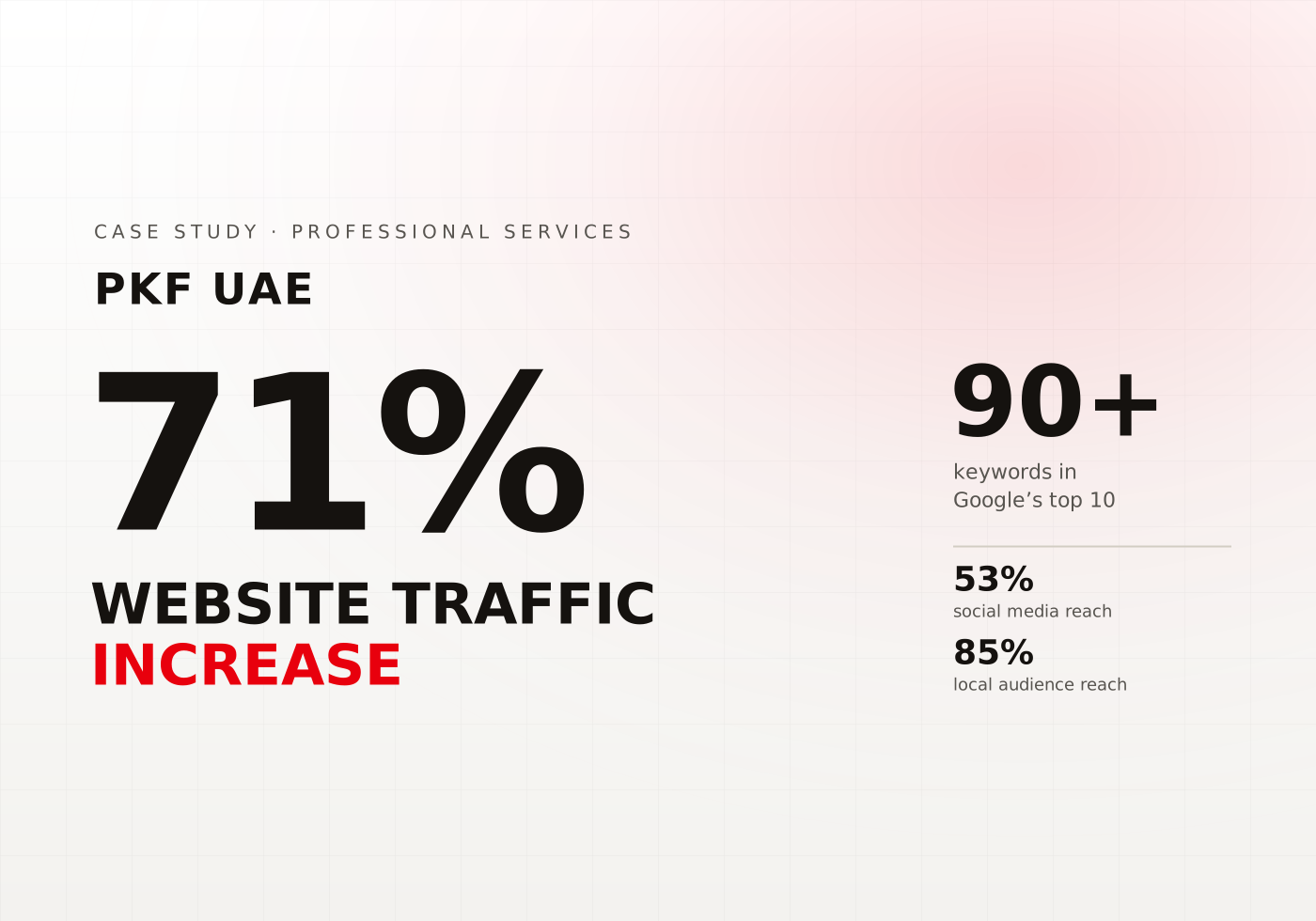
Driving Success for PKF with 71% Traffic Surge
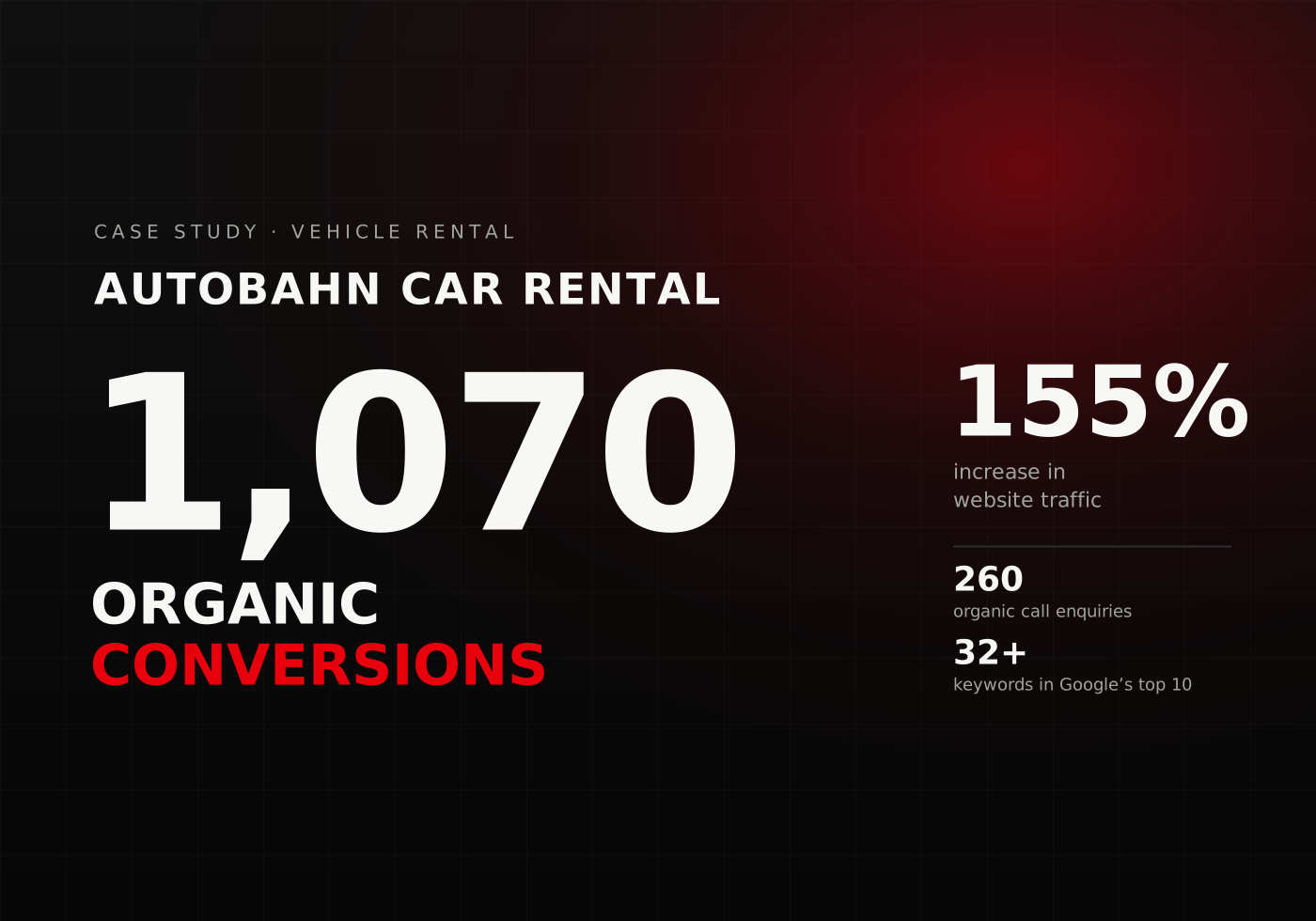
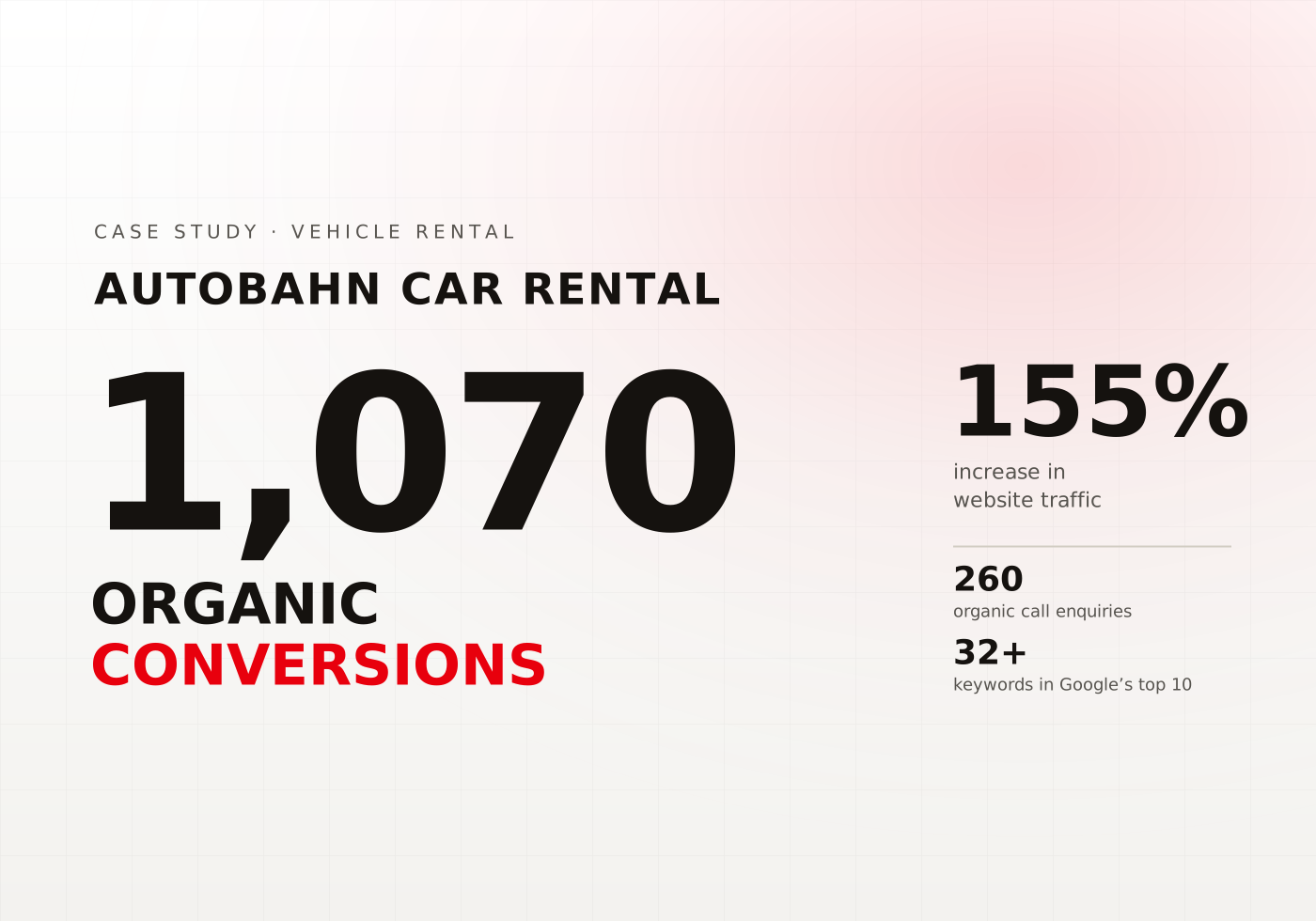
Accelerating Success with a 155% Growth in Website Traffic
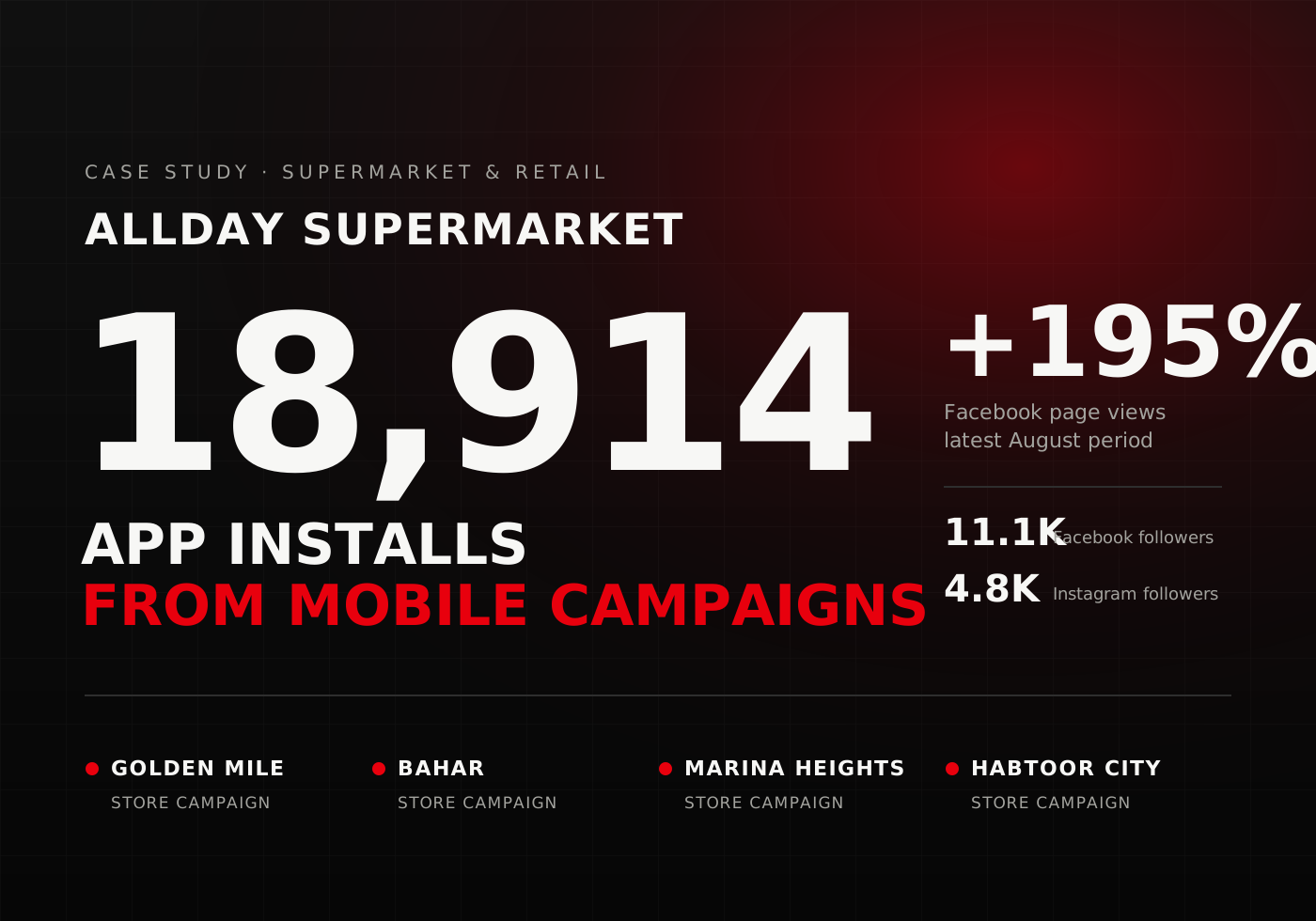
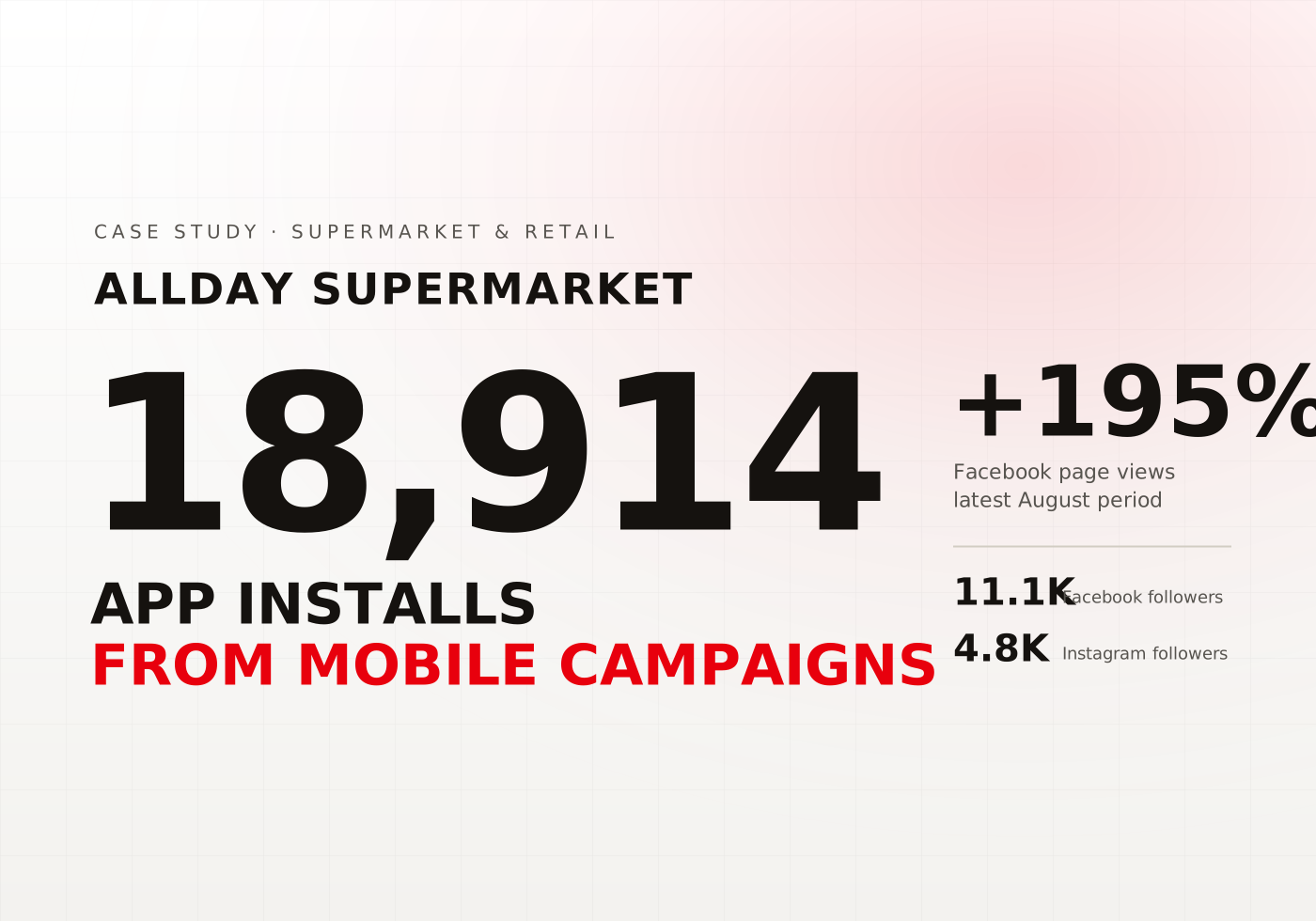
Incredible 64x Increase in Social Media Impressions for AllDay Supermarket
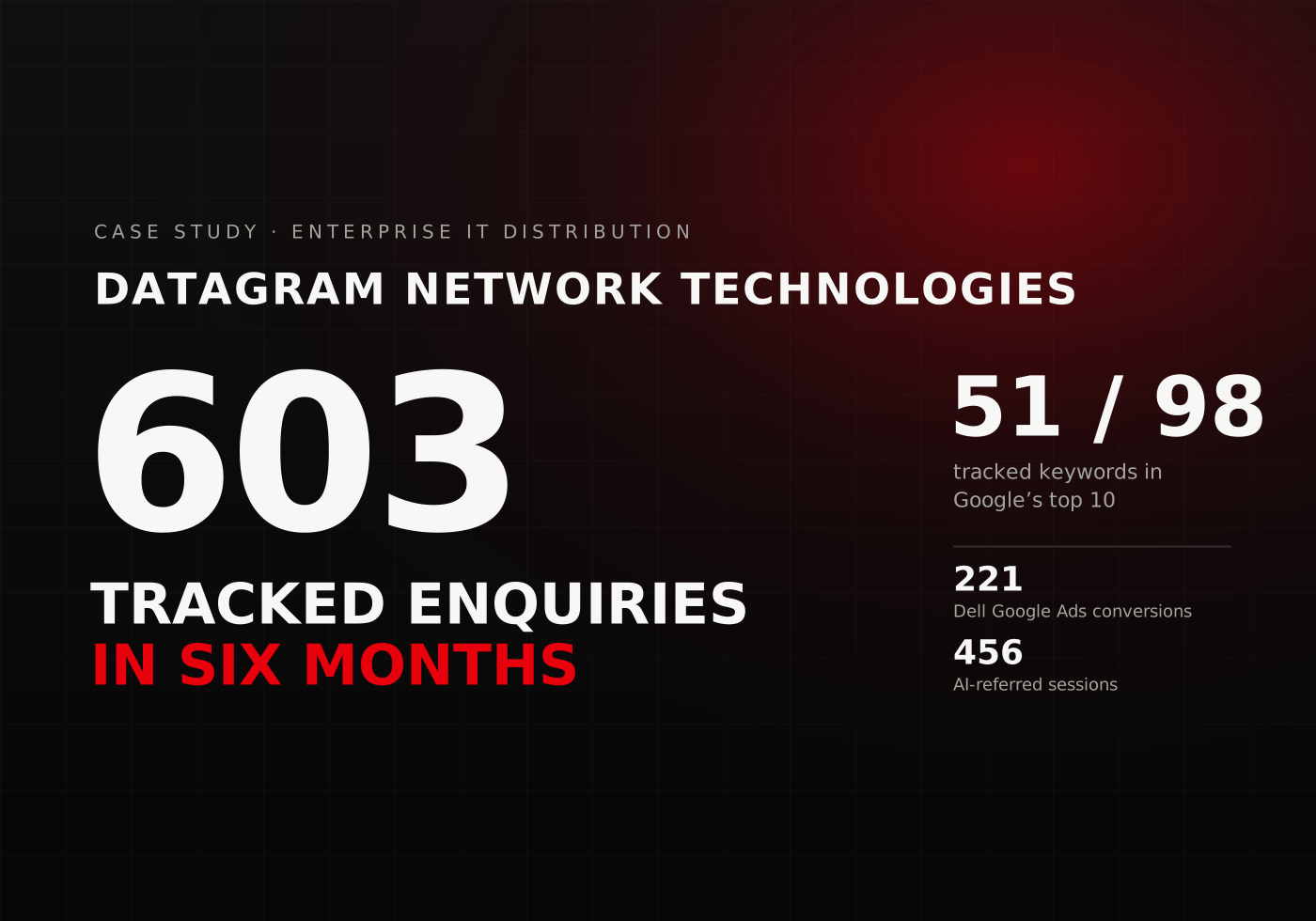
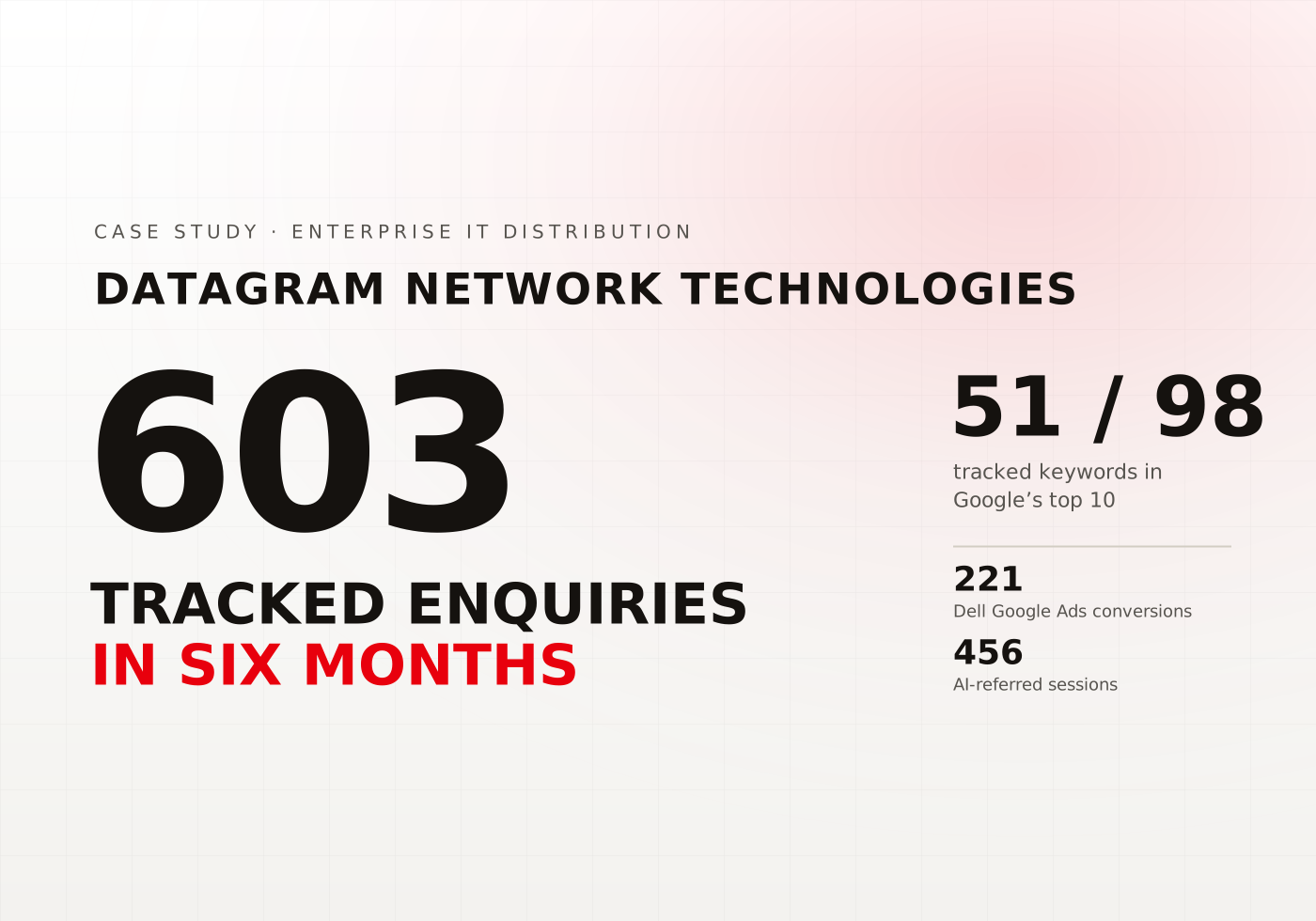
Transforming the High-End IT Product E-Commerce Experience
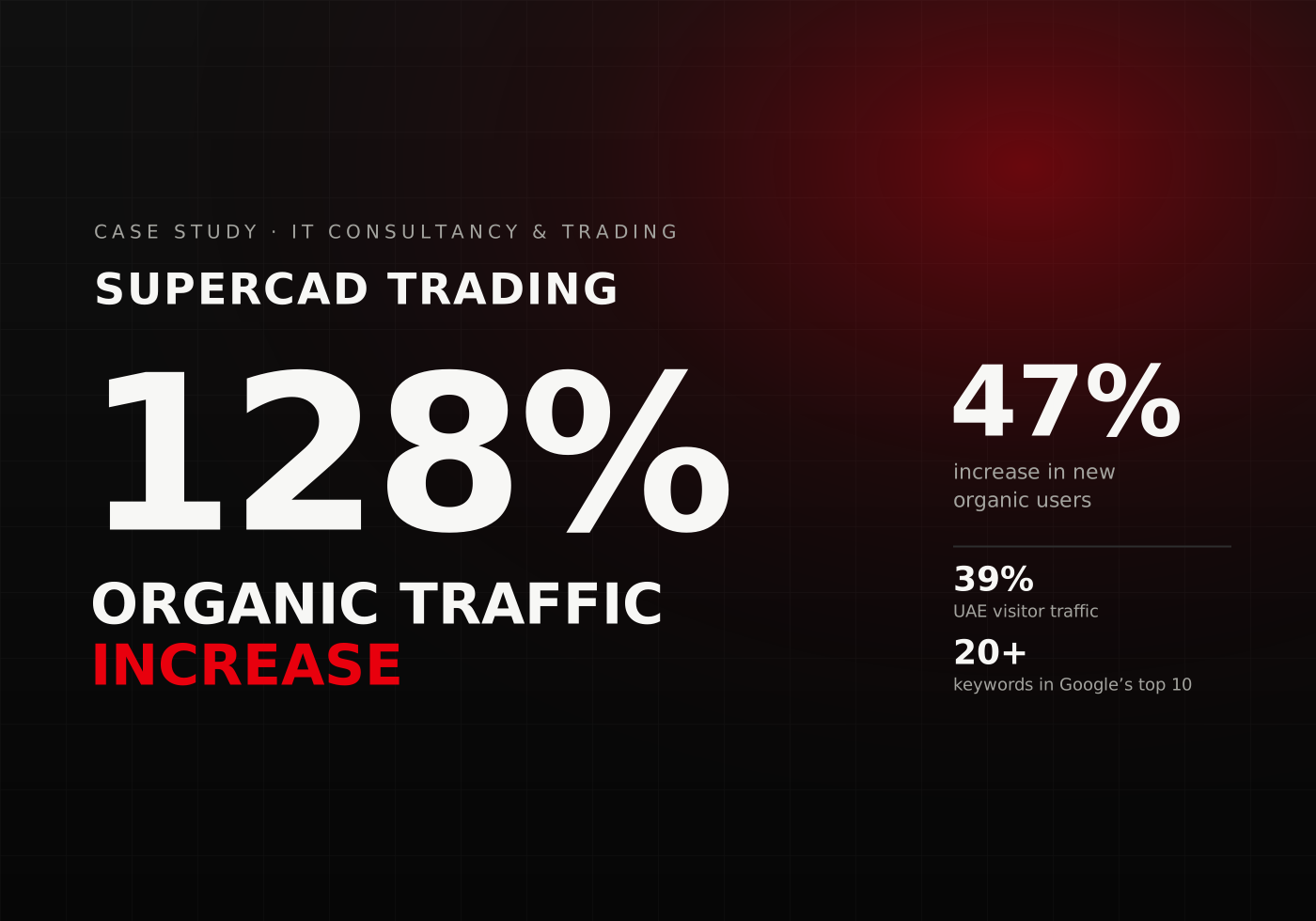
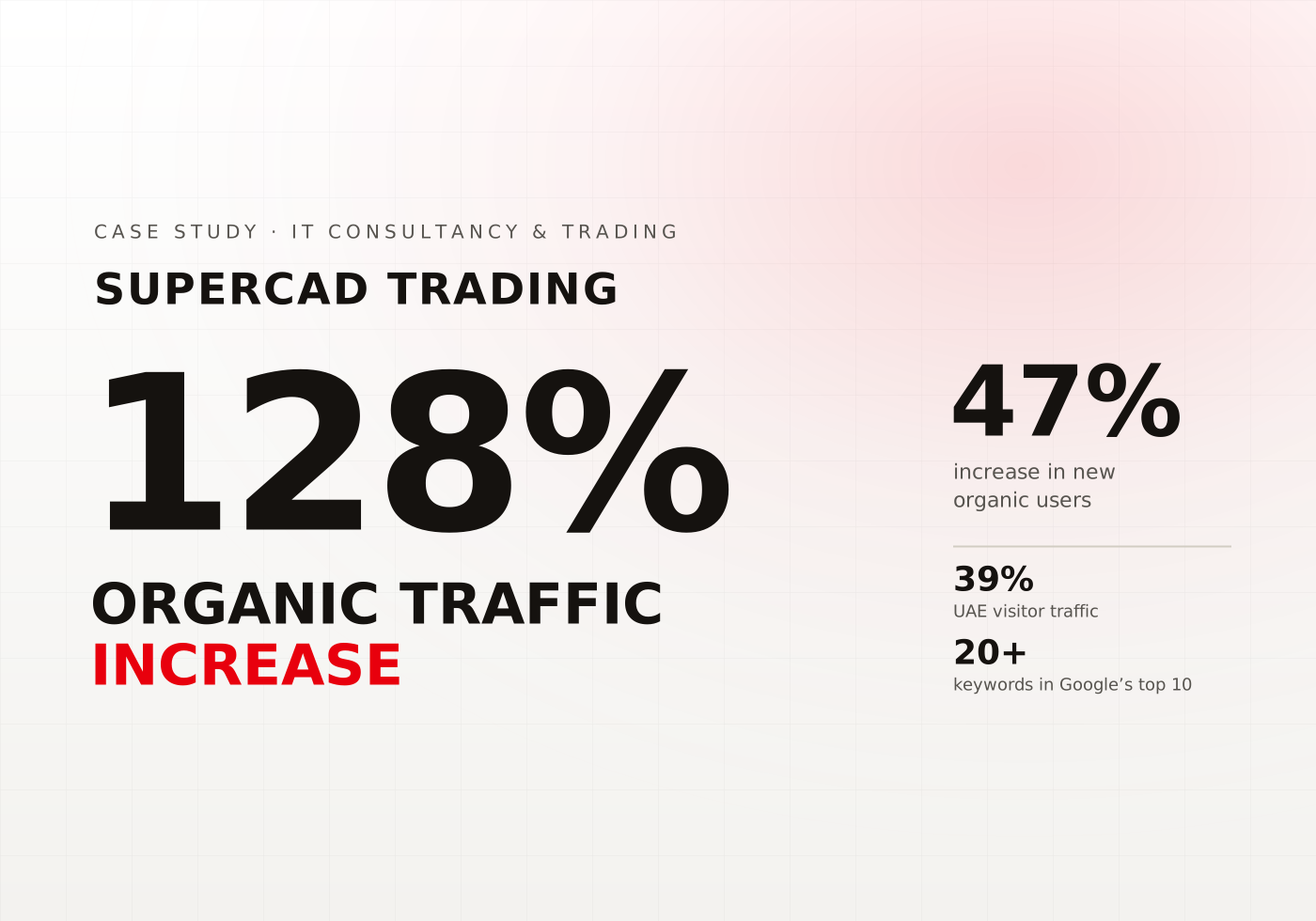
Revamping IT Solutions with a 128% Increase in Organic Traffic
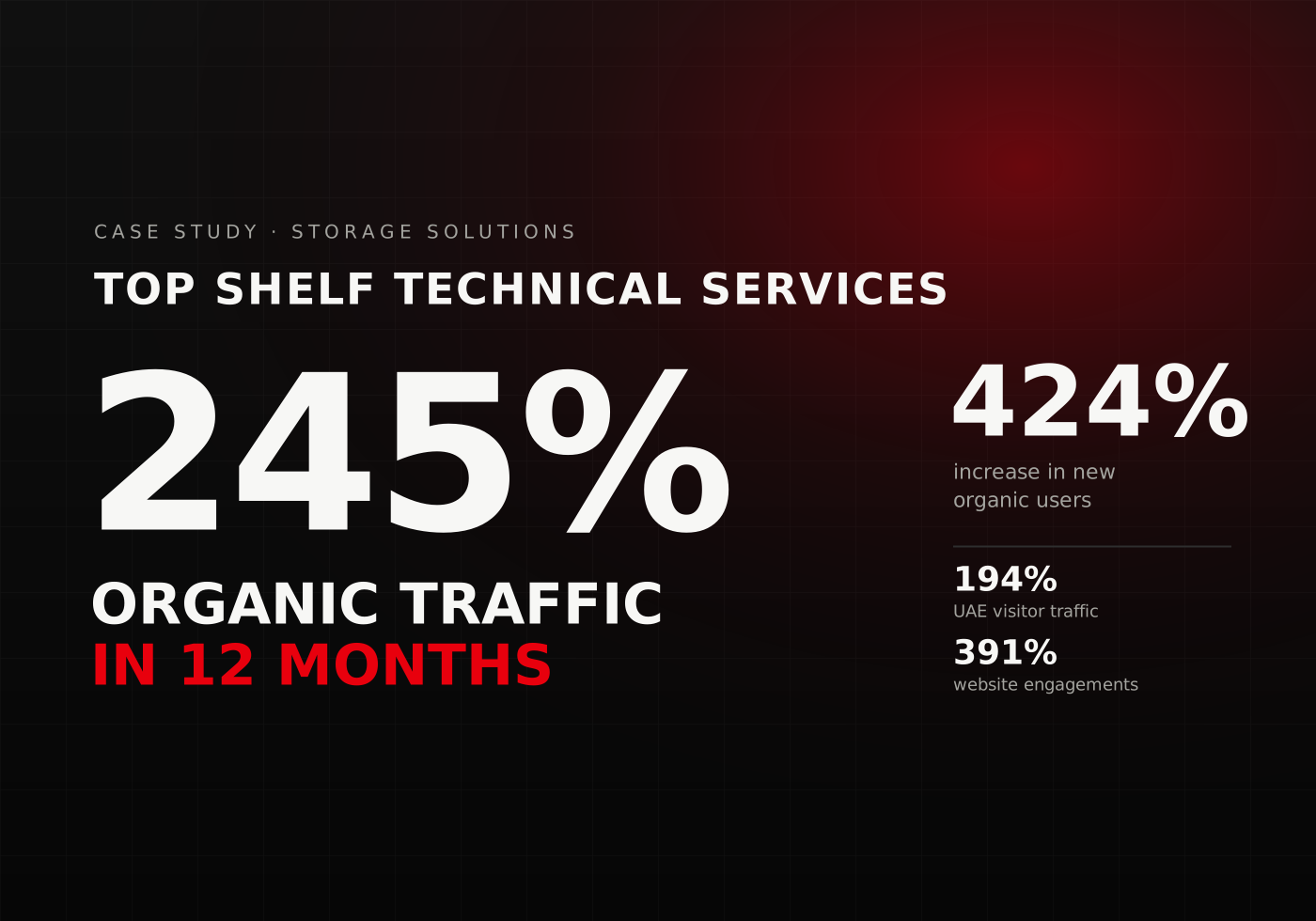
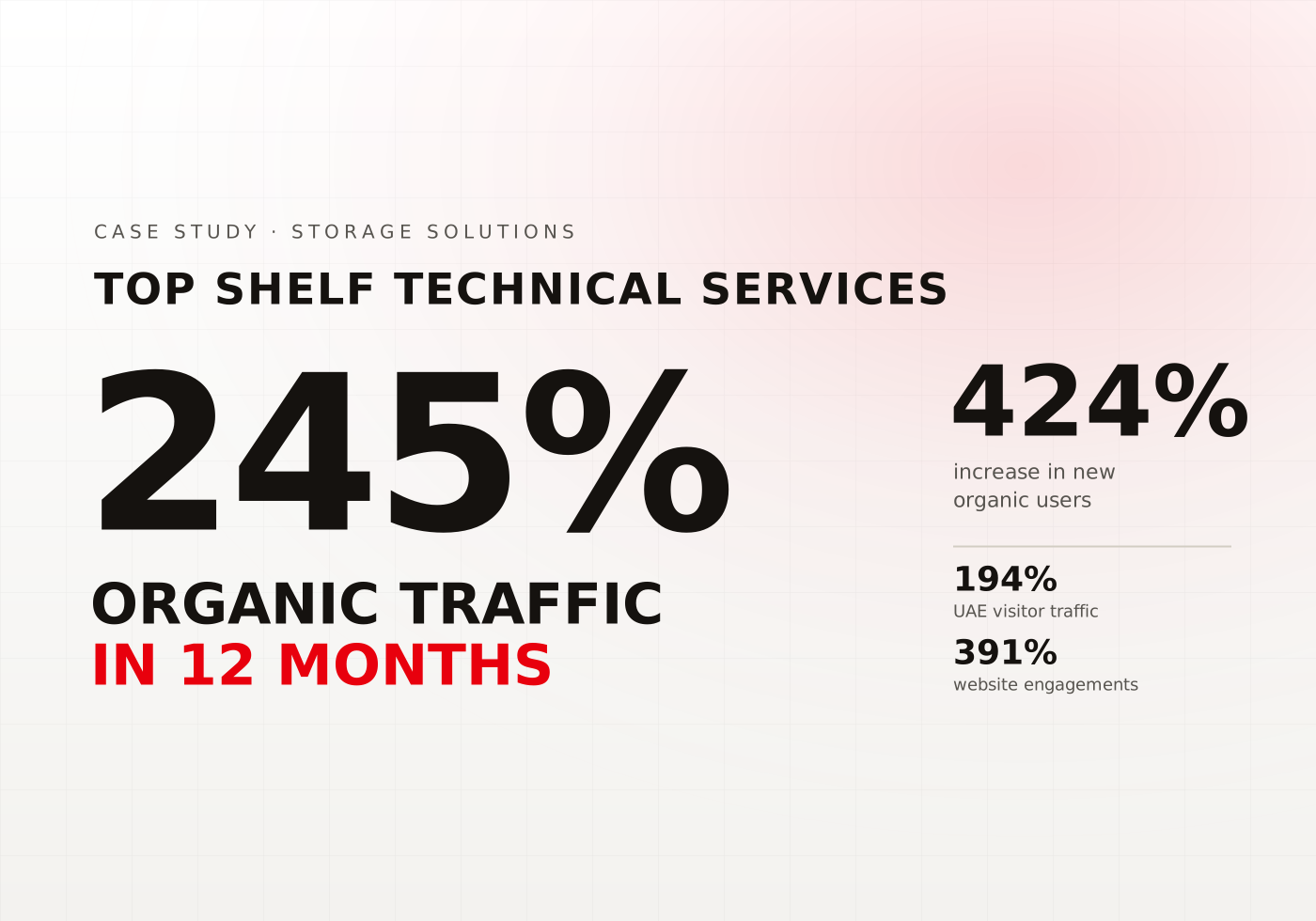
Boosting Organic Traffic by 245% in 12 months
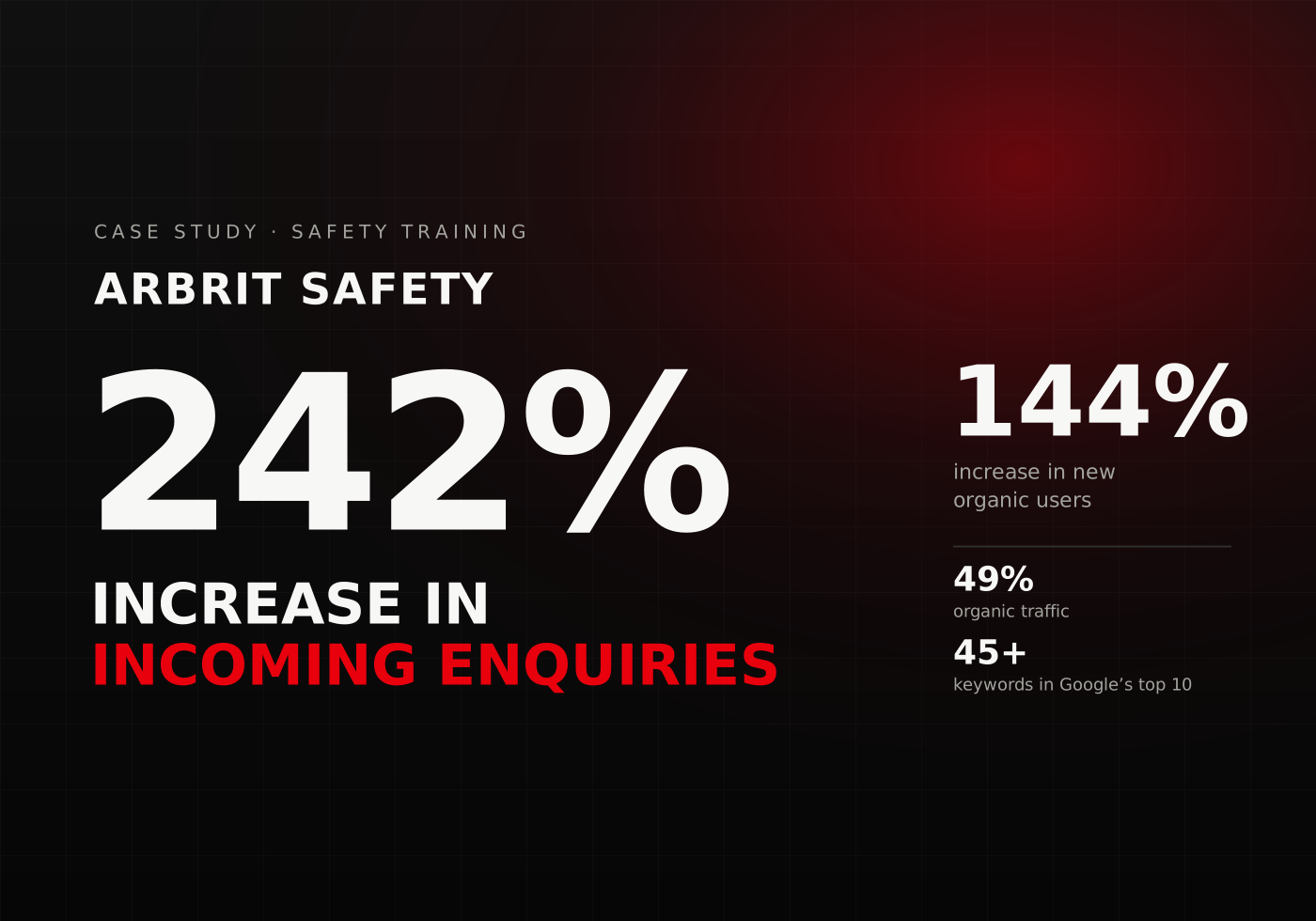
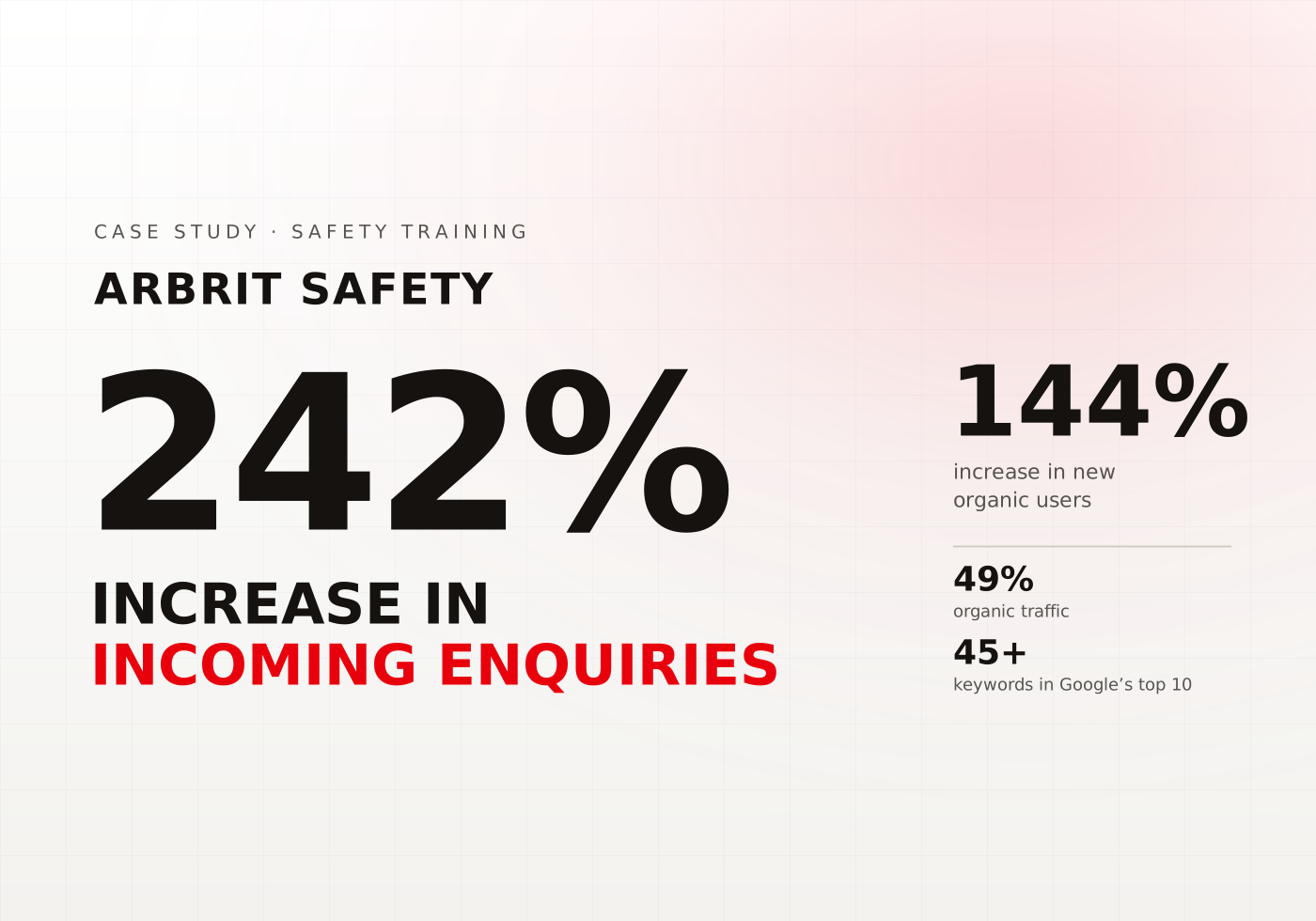
Empowering Health and Safety with a 242% Increase in Enquiries
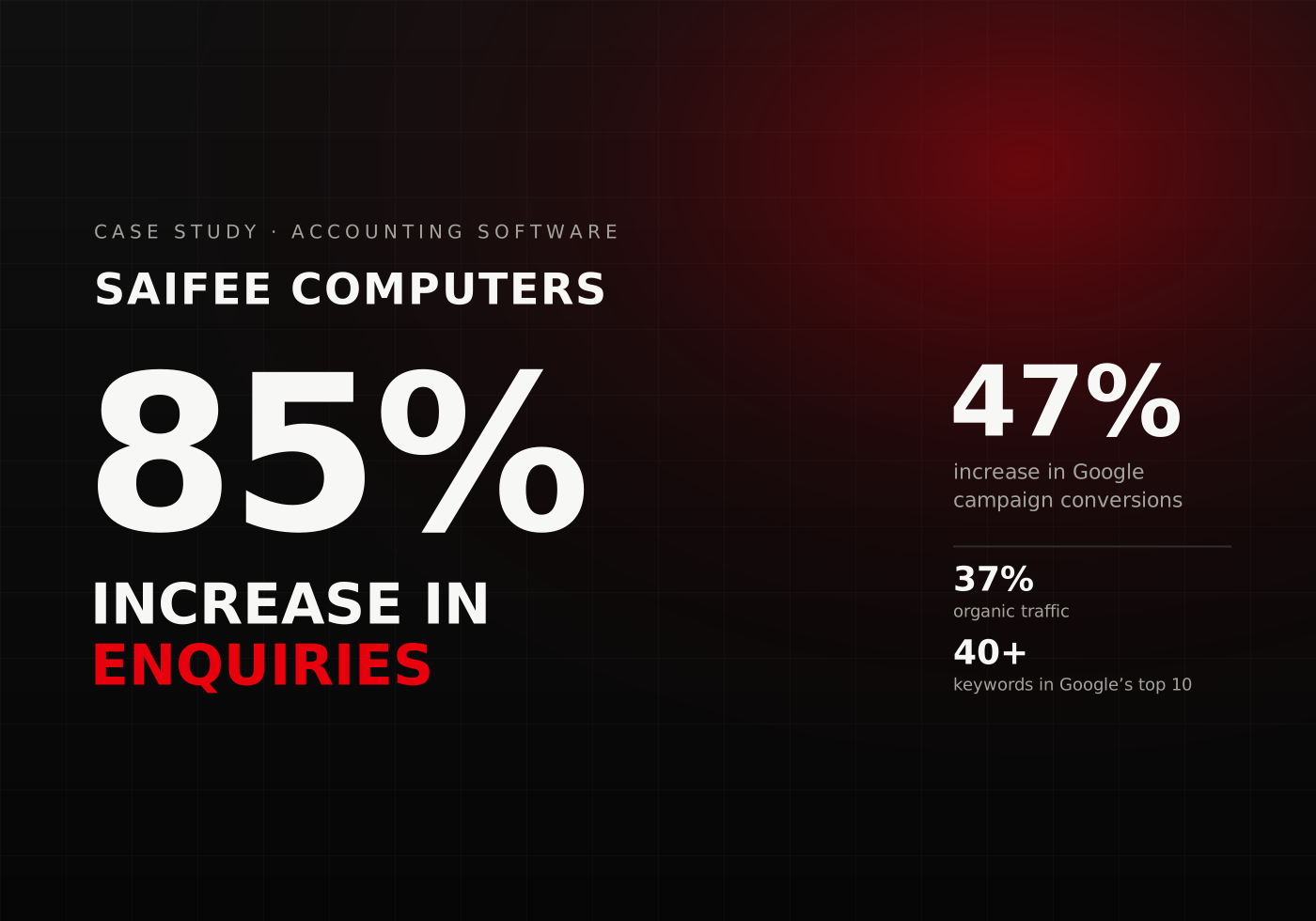
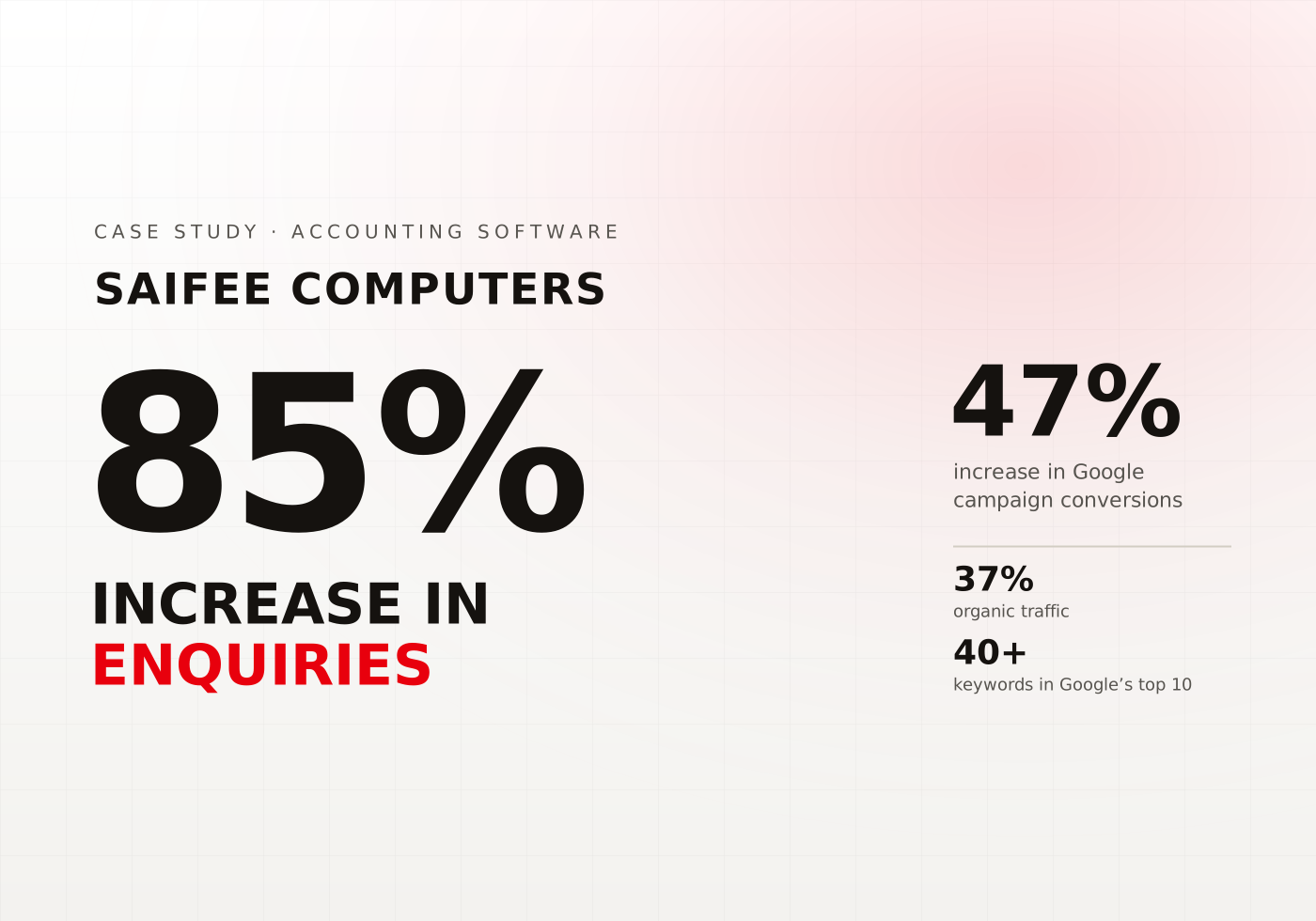
Accounting Software Sales with an 85% Increase in Enquiries
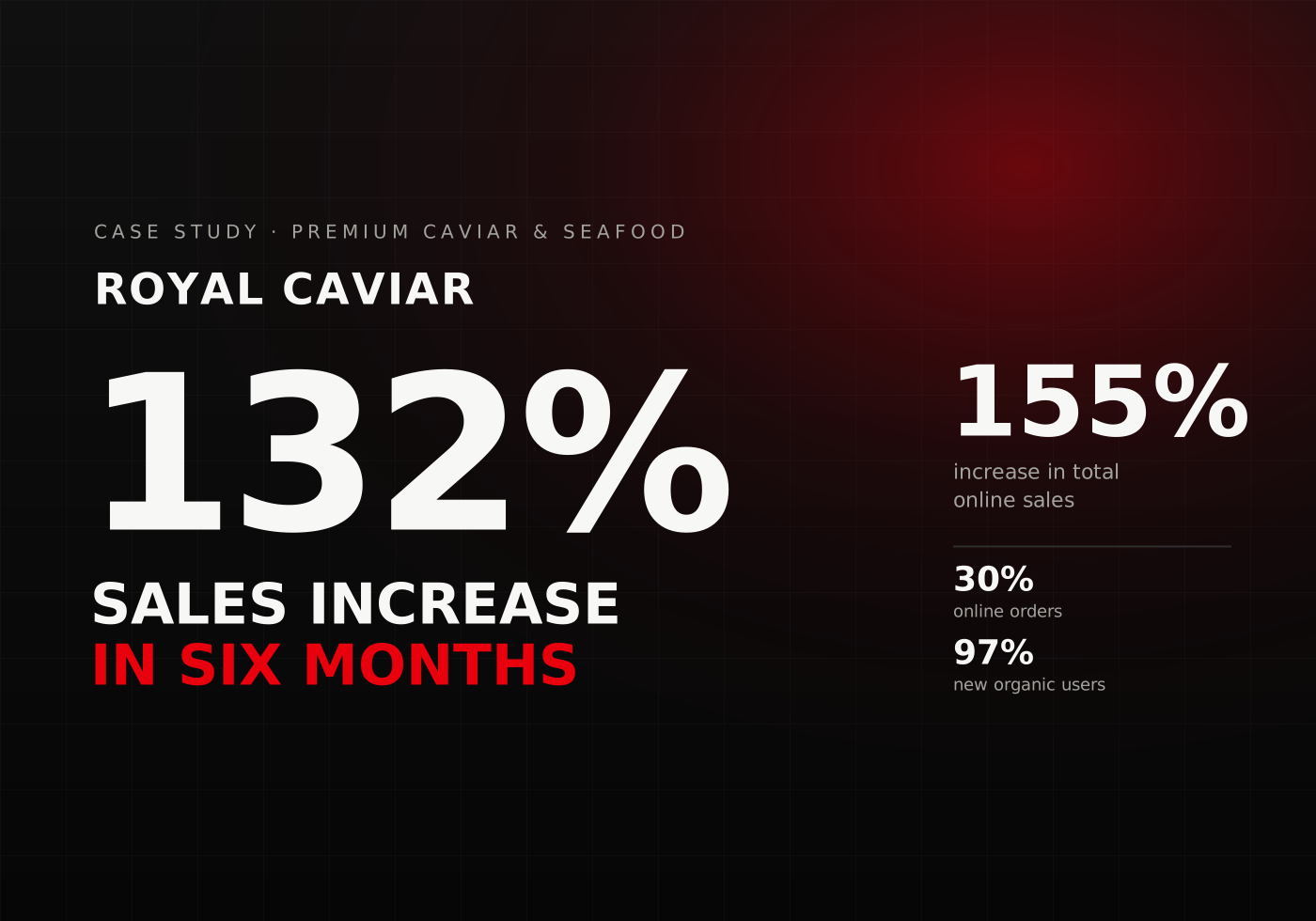
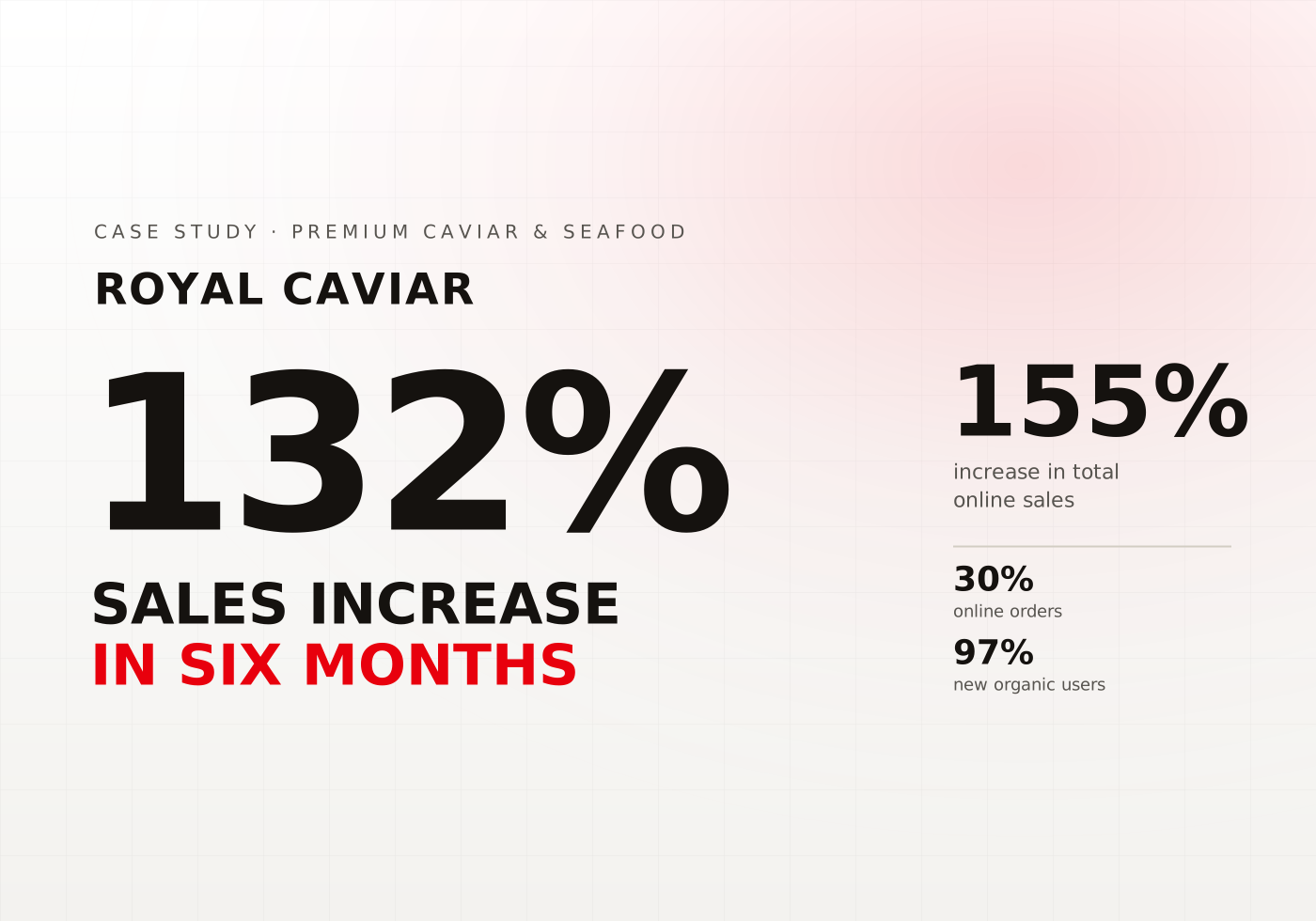
Increase in sales by 132% in the First Six Months
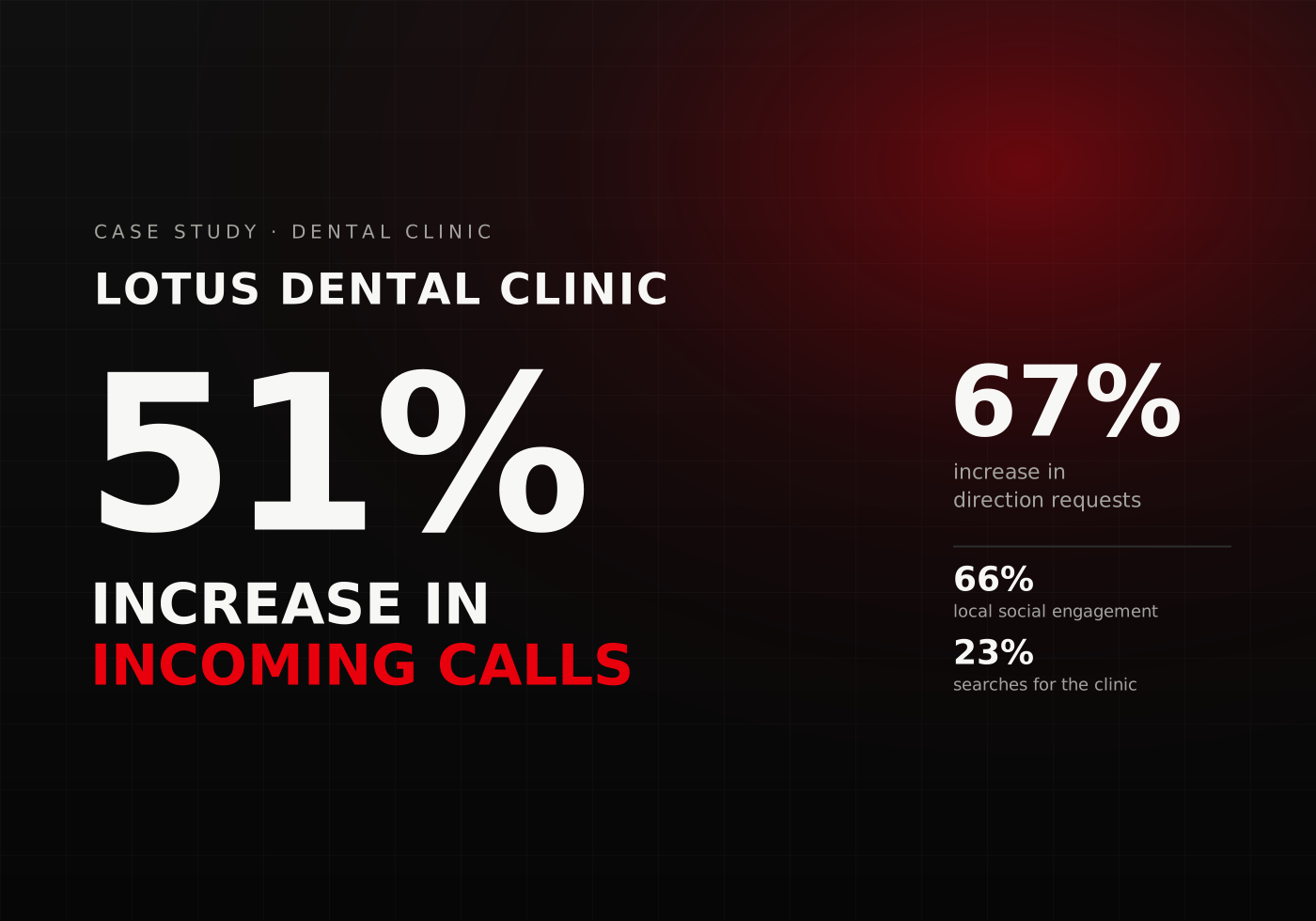
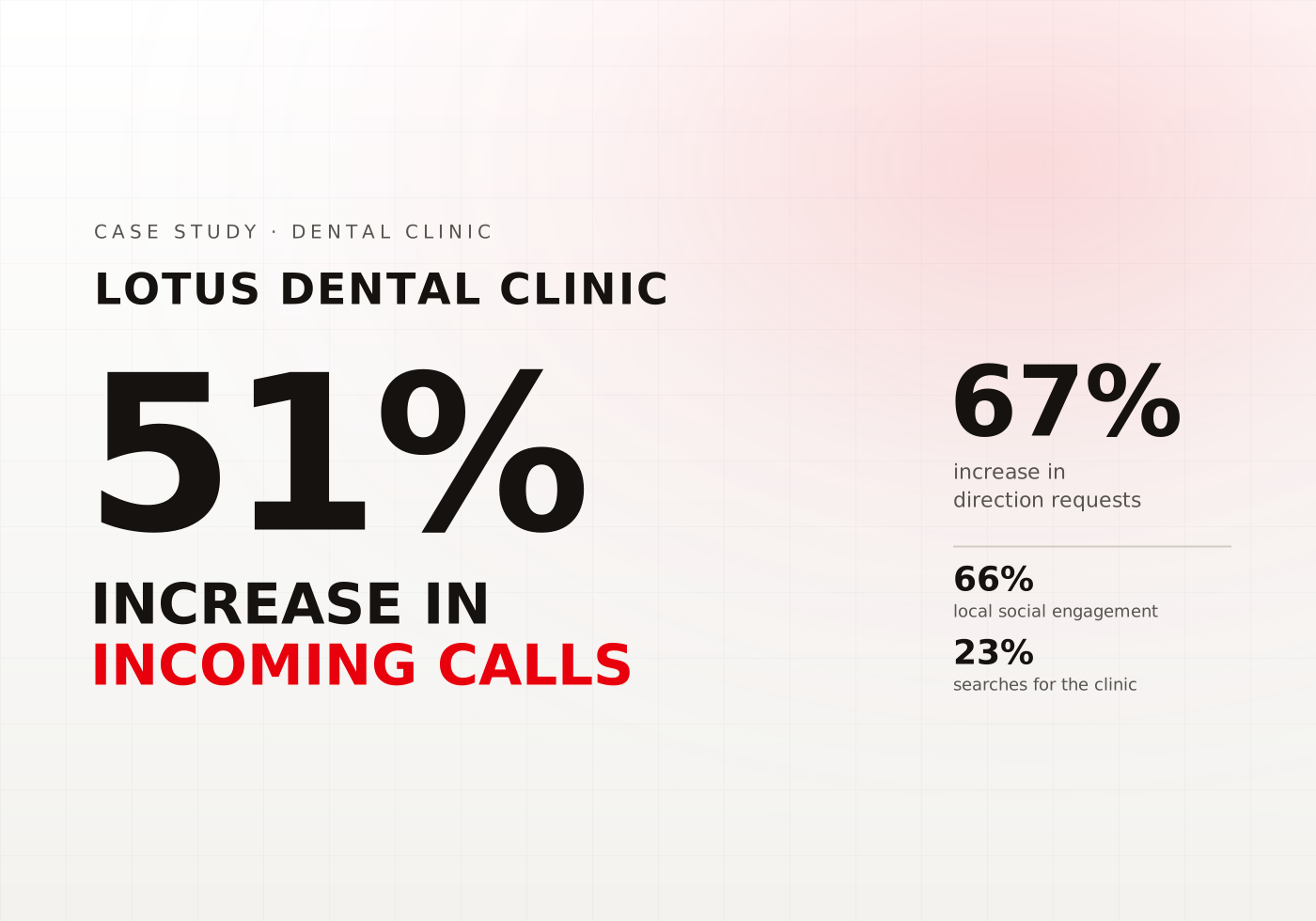
29% Increase in Local Calls for a Dental Clinic
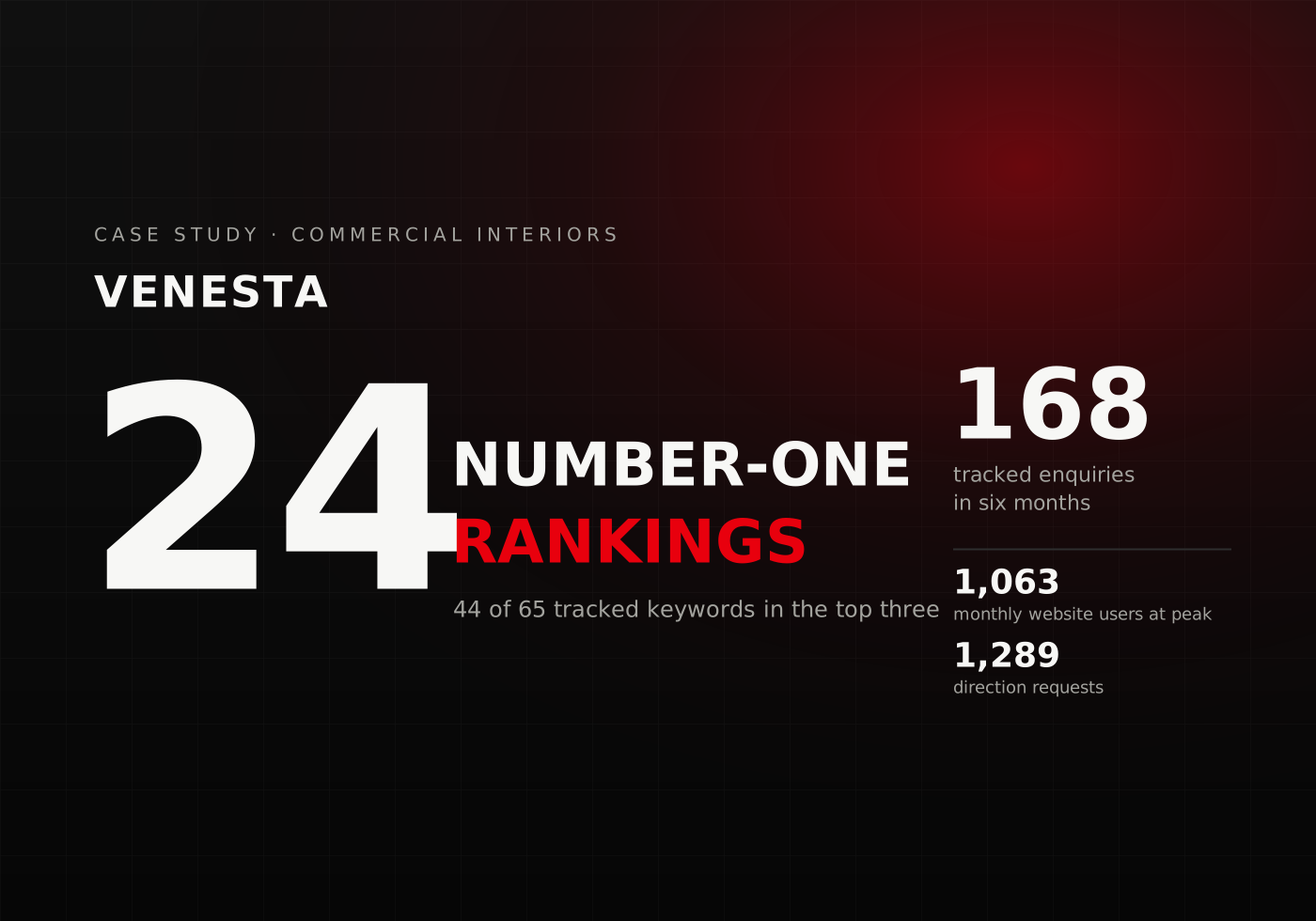
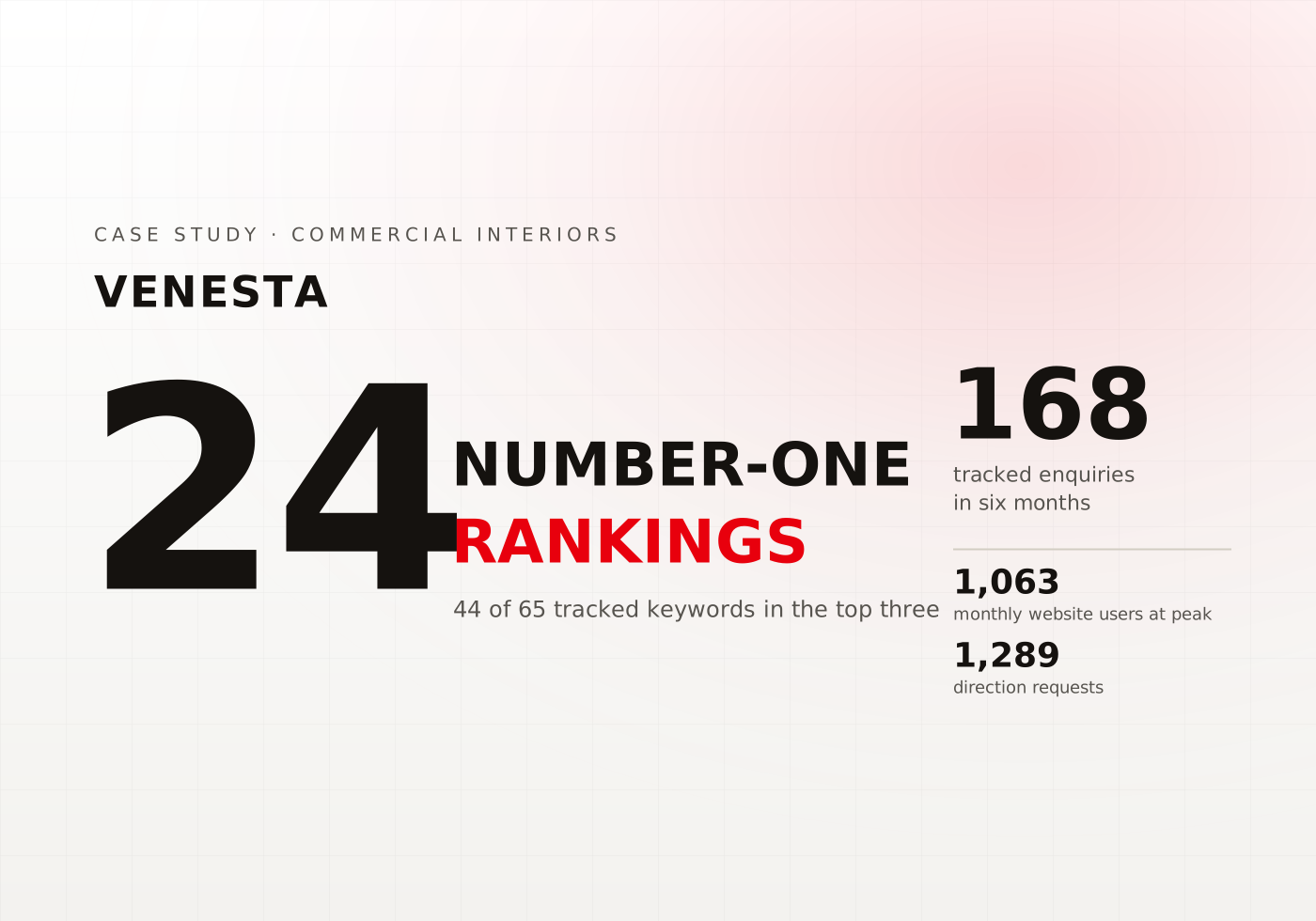
New Market Expansion for a Washroom Solutions Provider
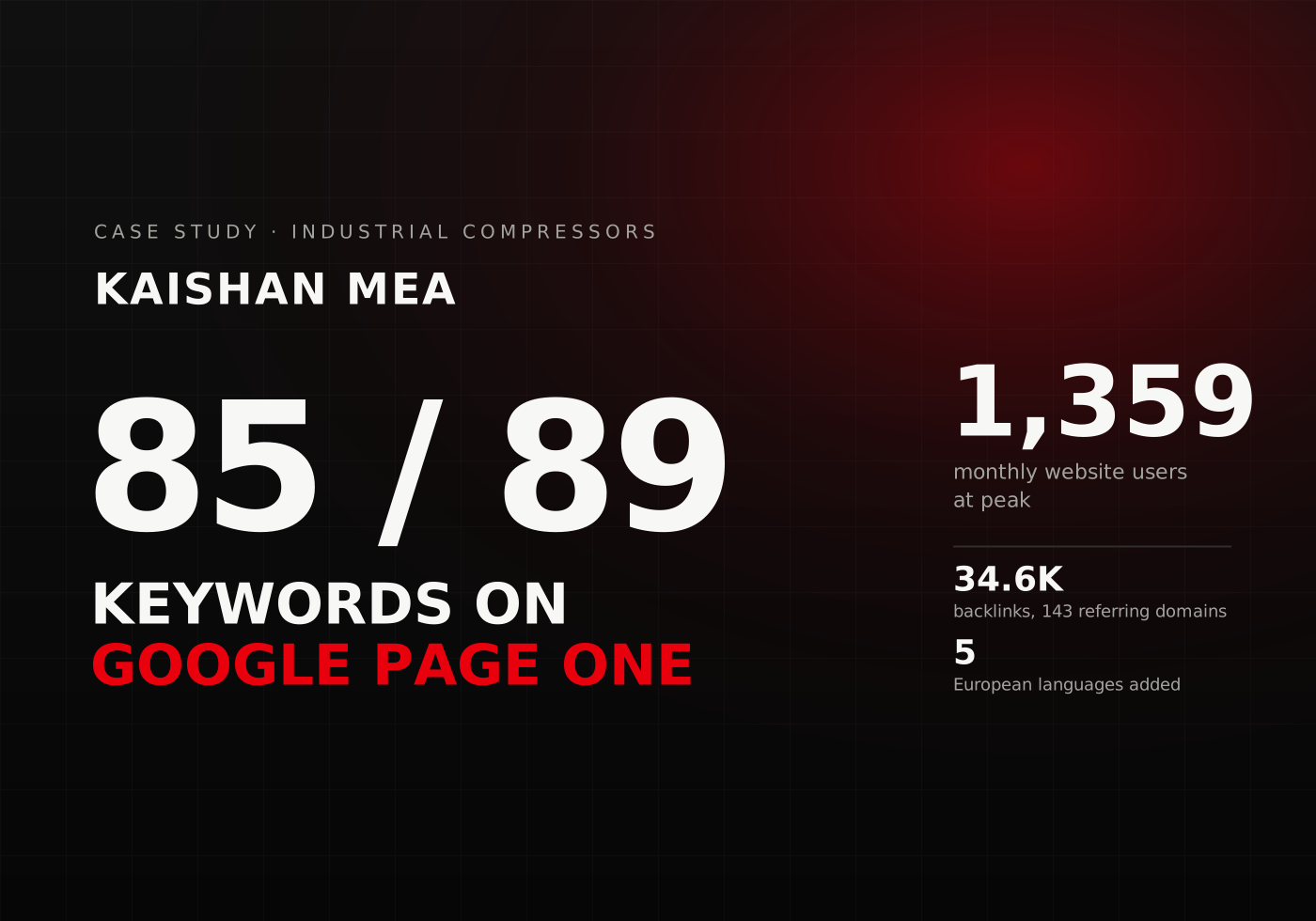
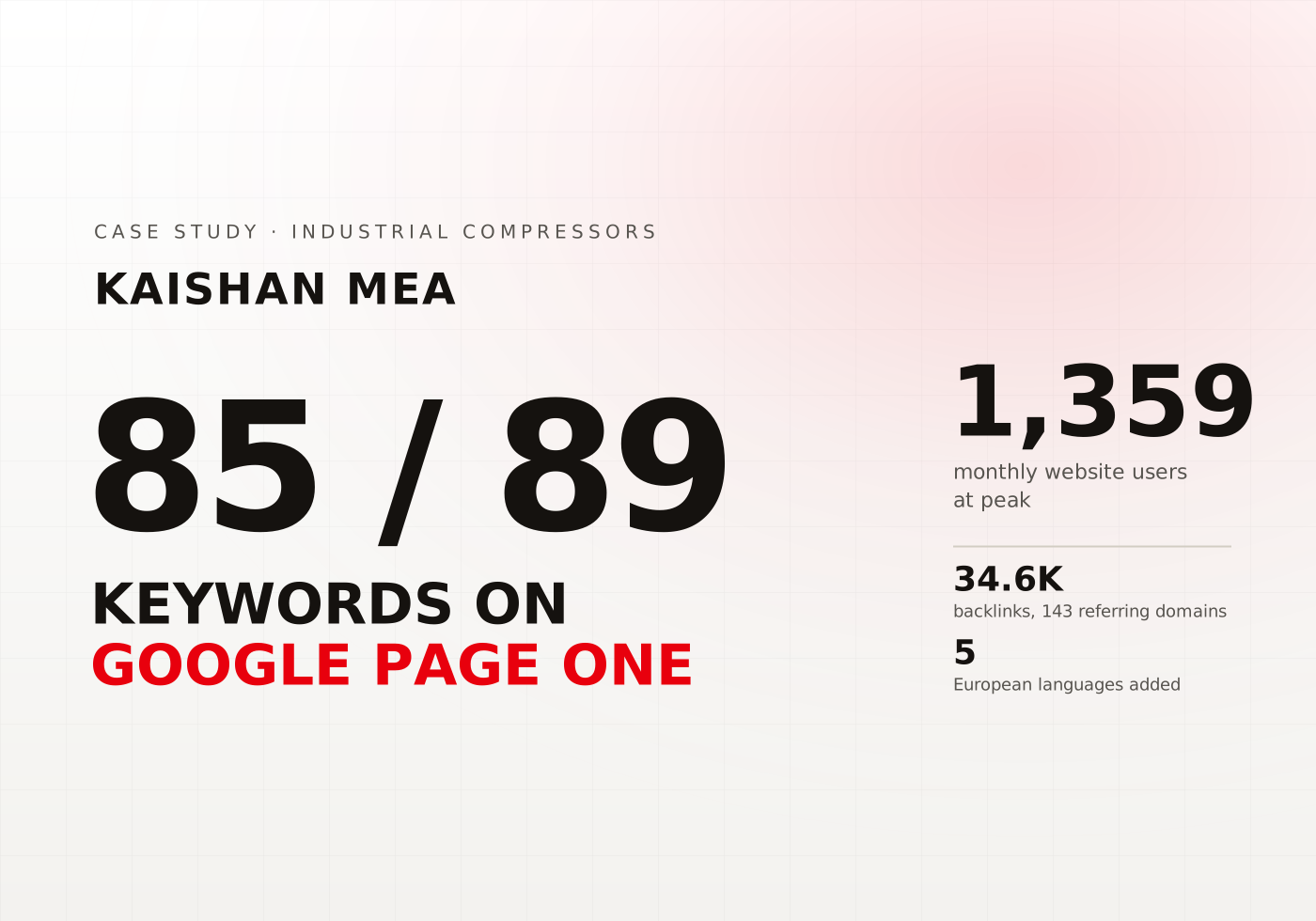
Search dominance and multilingual expansion
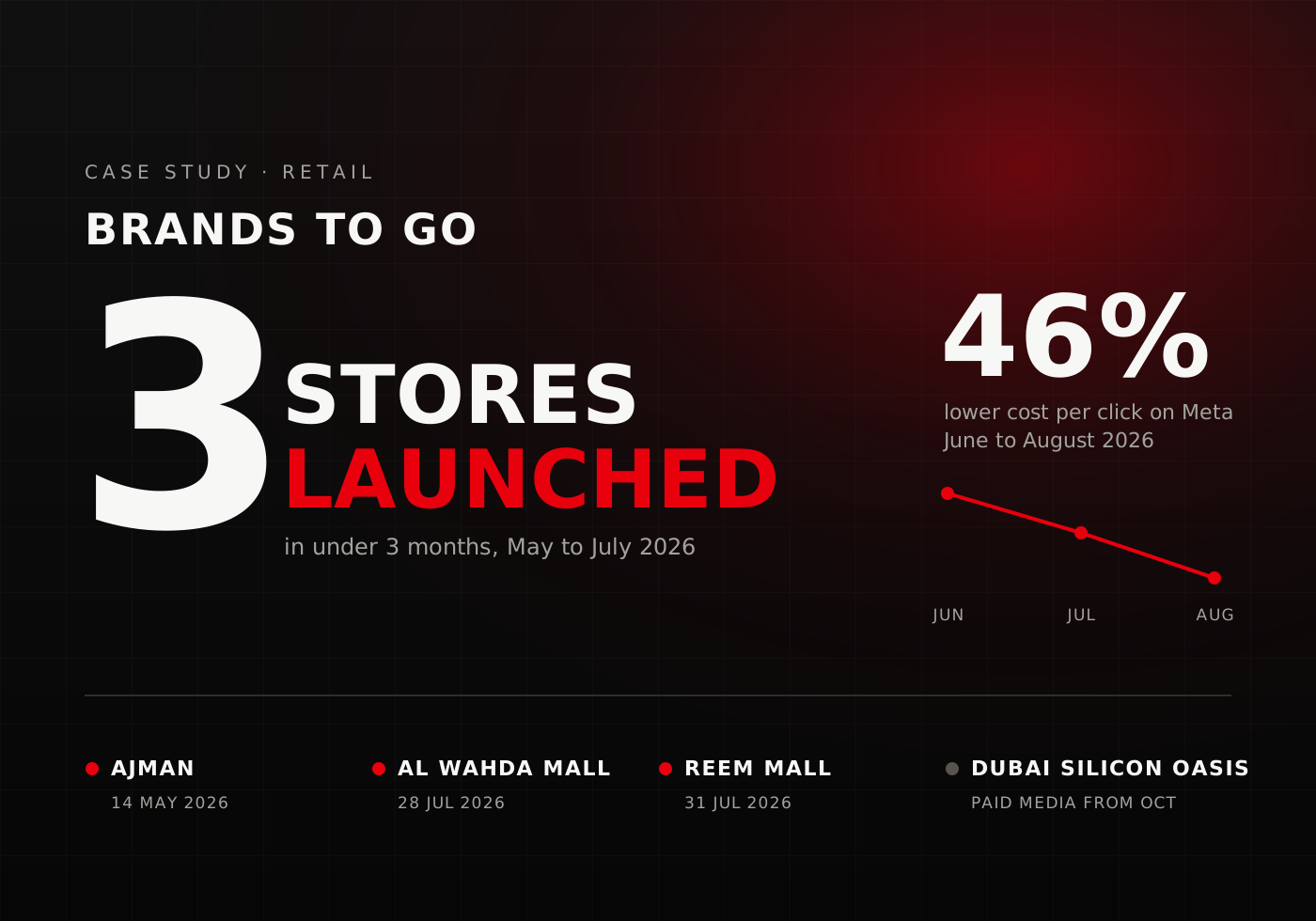
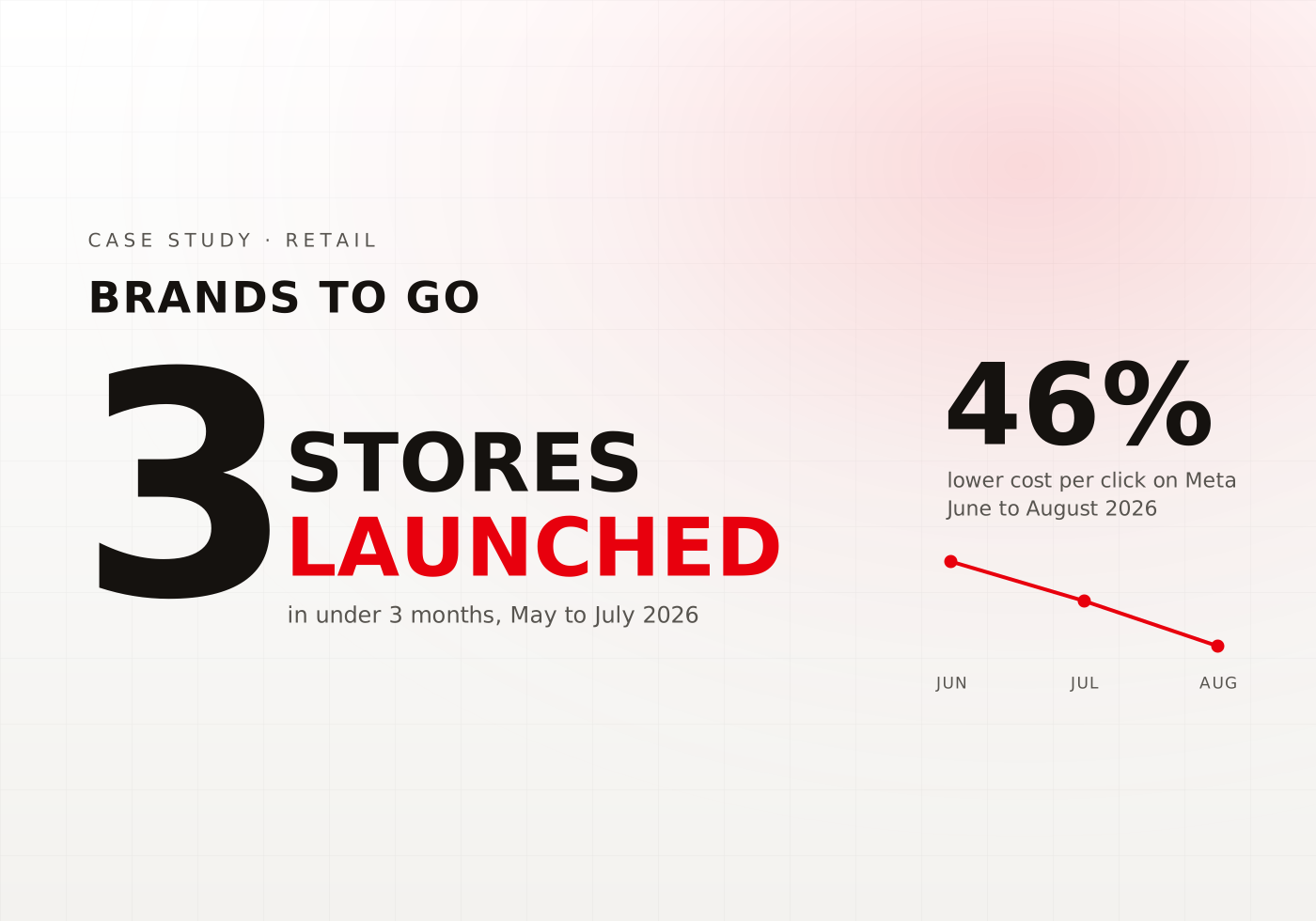
Launching Brands To Go in 3 UAE Stores While Cutting Cost per Click 46%
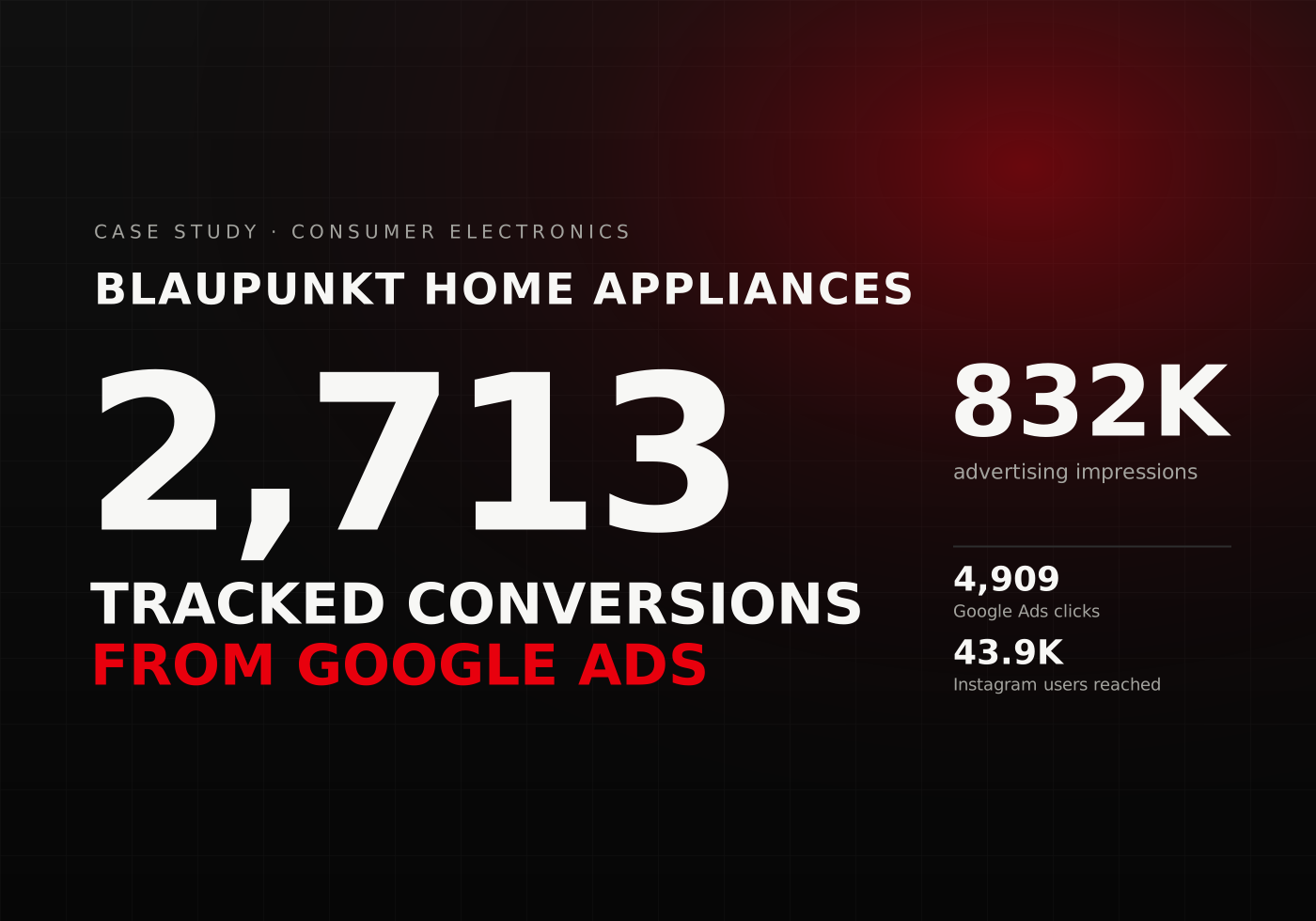
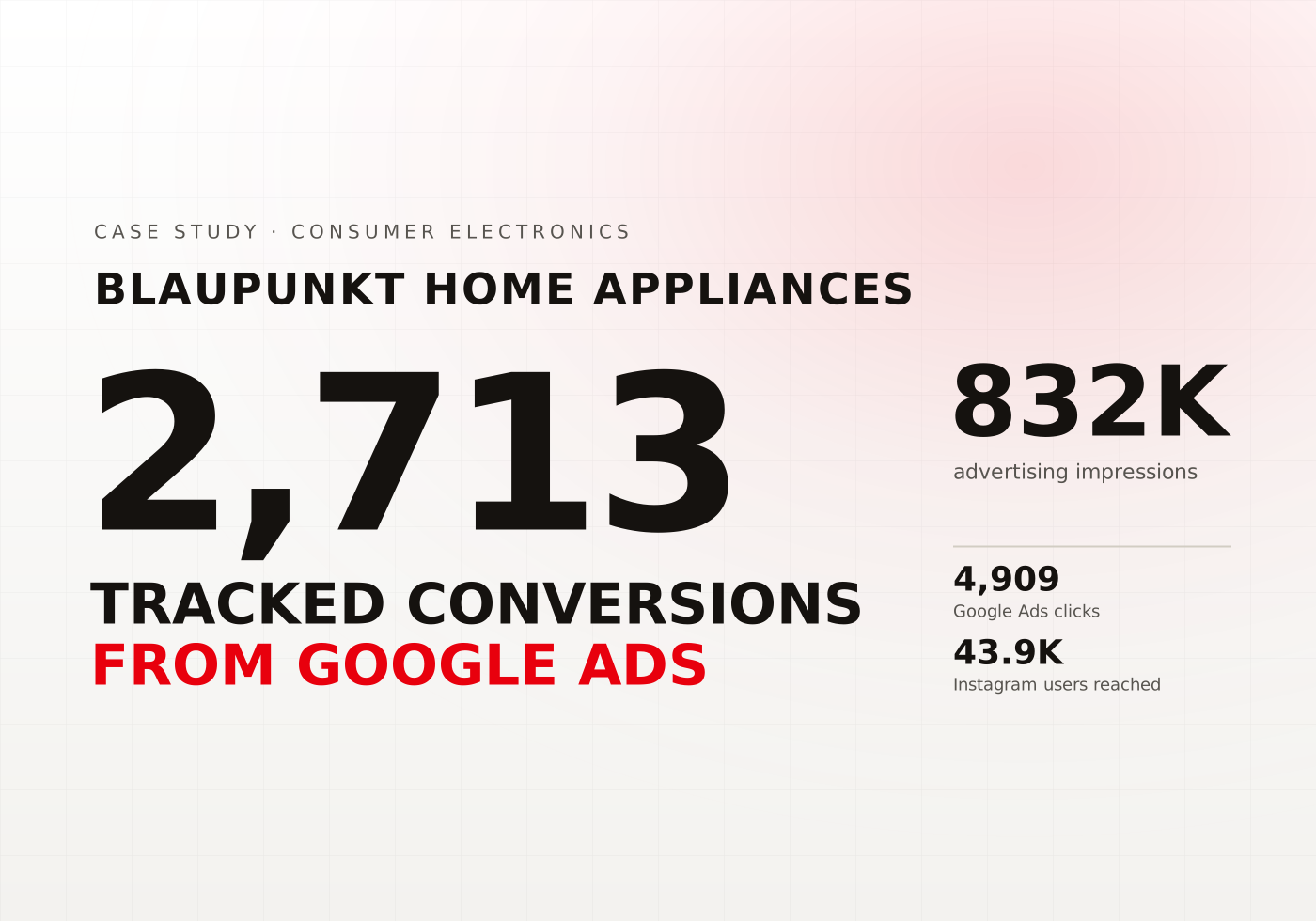
Building Digital Visibility and Driving Measurable Demand for Blaupunkt
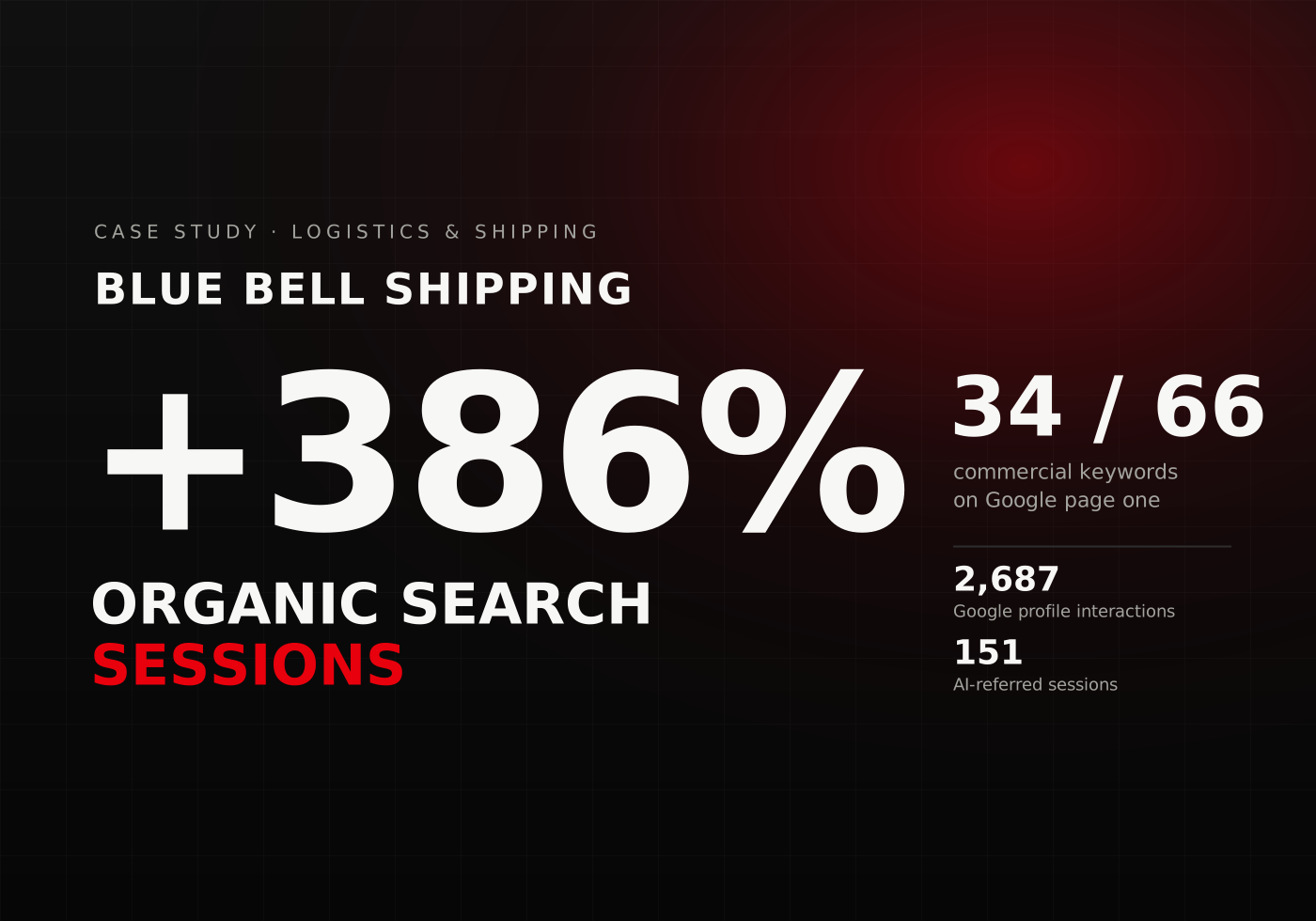
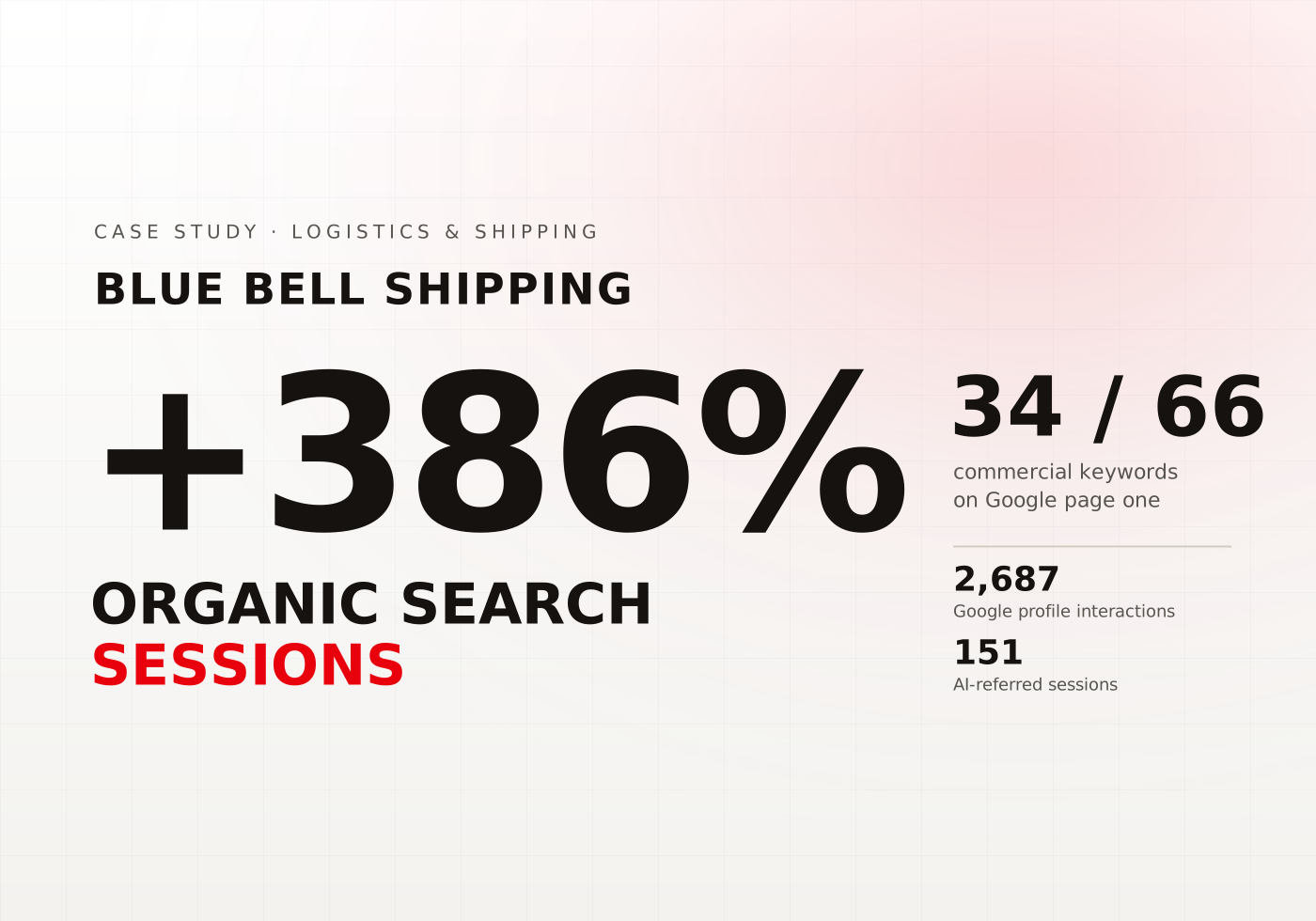
Making a Logistics Brand Visible Wherever B2B Buyers Search
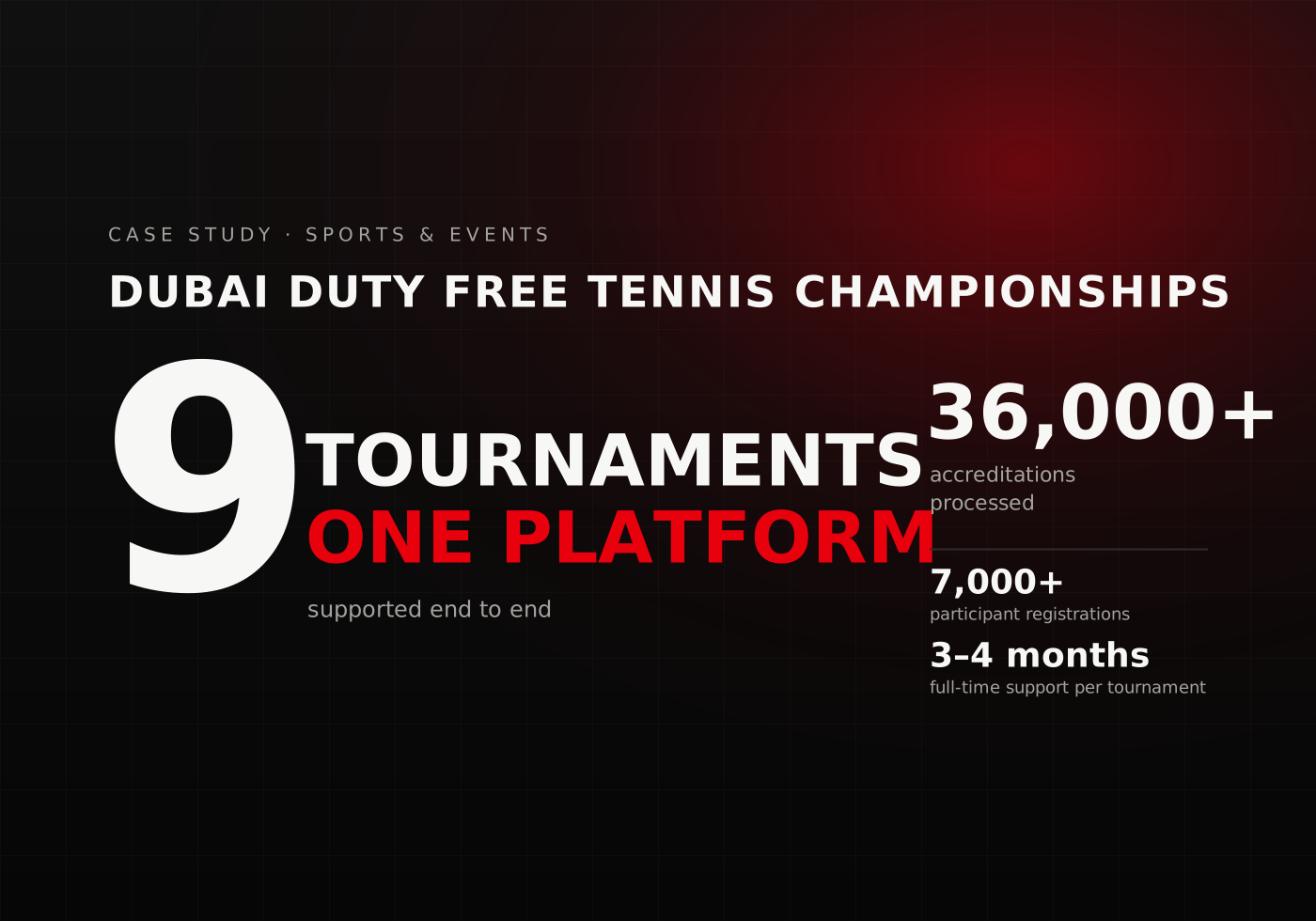
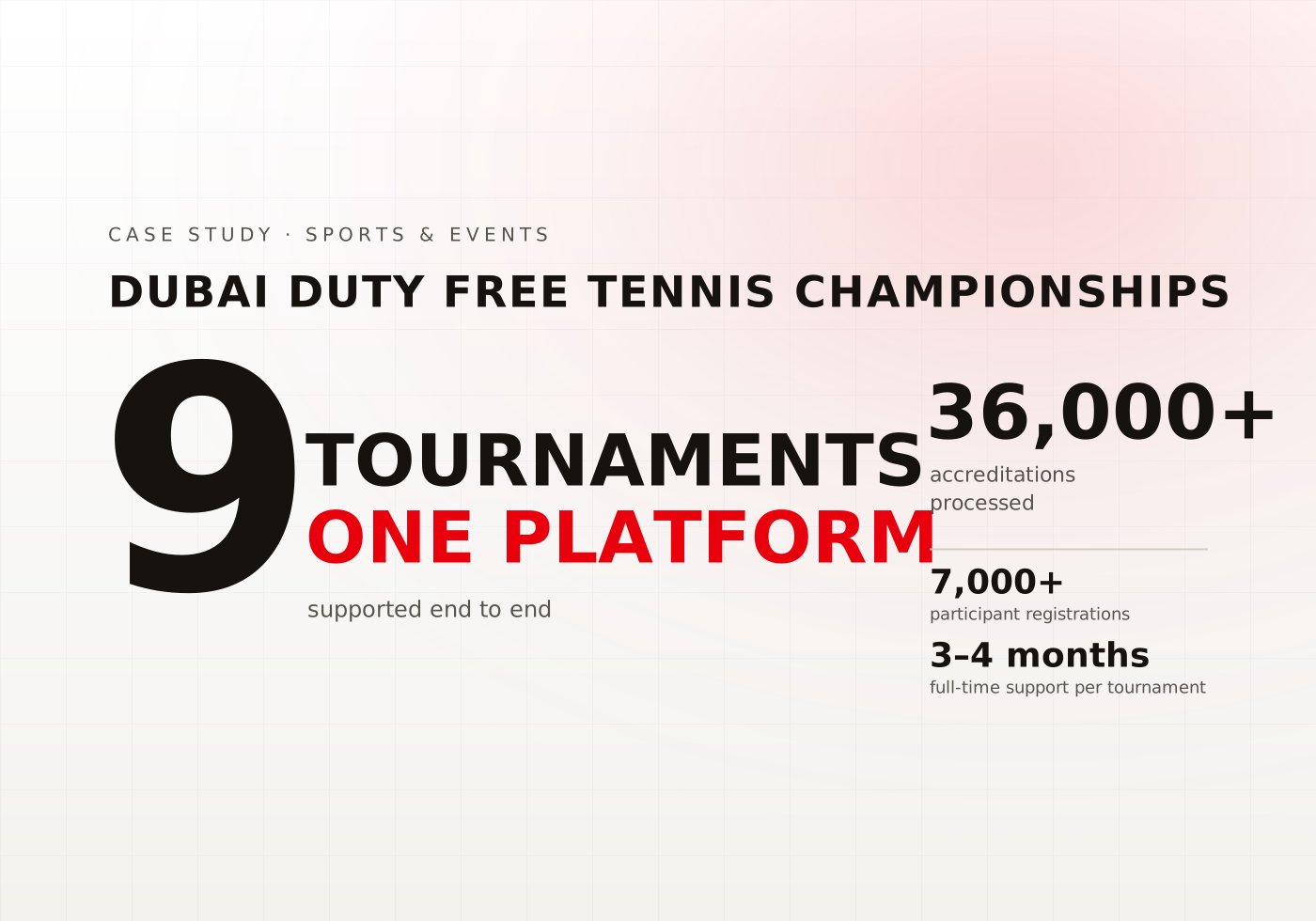
Nine Tournaments Powered by One Purpose-Built Digital Platform
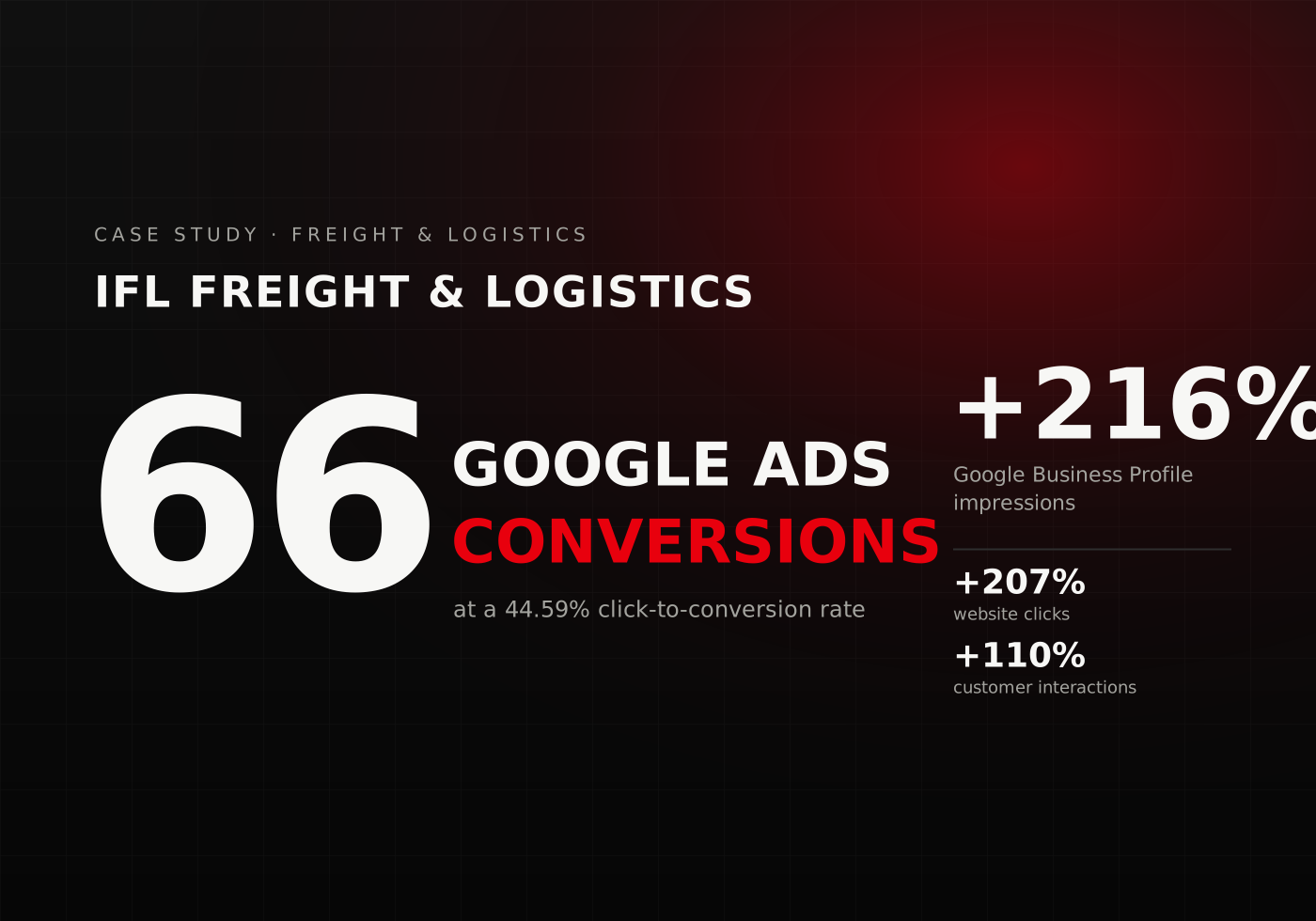
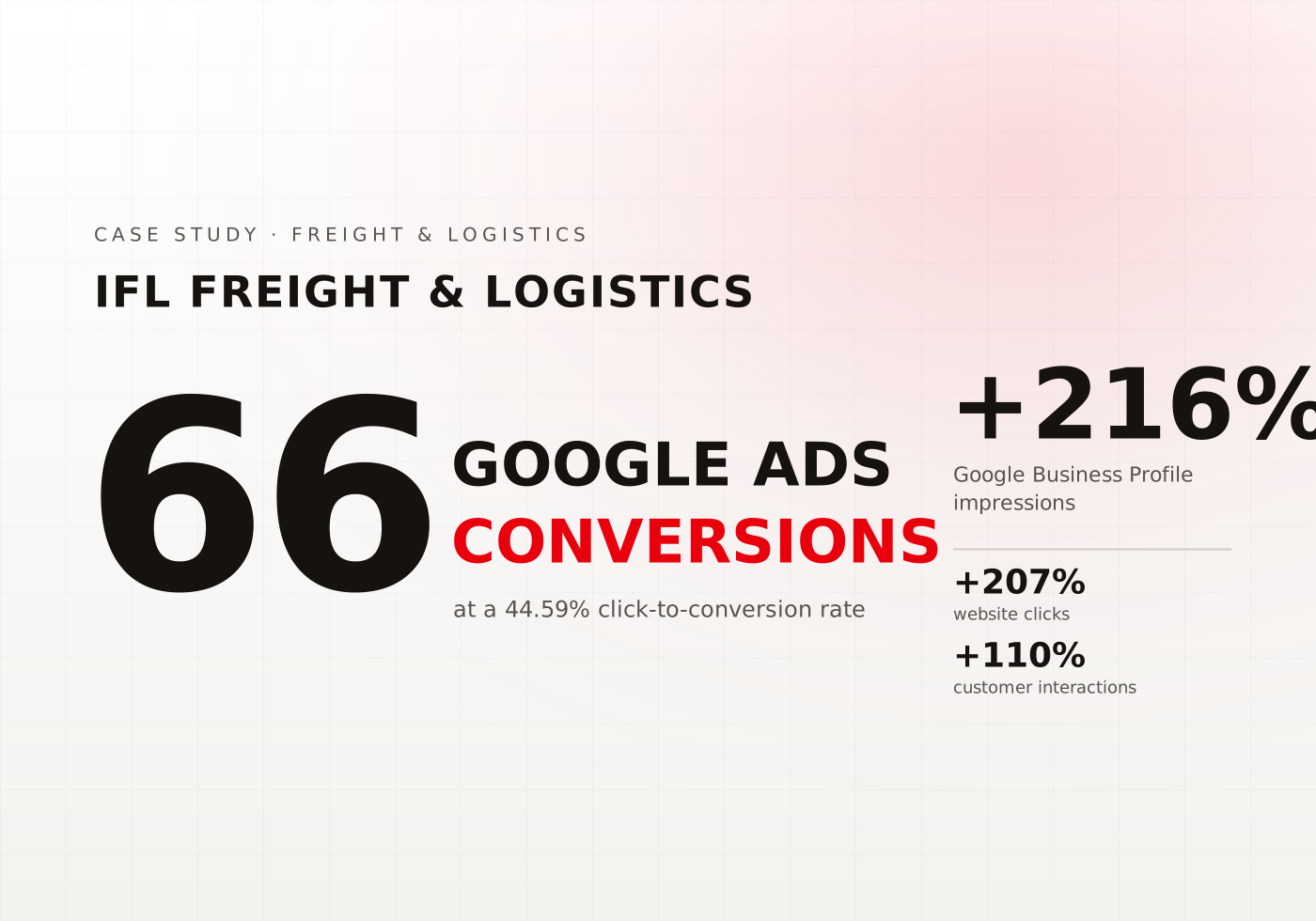
Engineering a Full-Funnel Growth Engine for a Logistics Business
See what is possible for your operation
Tell Us Which Energy Capabilities You Want to Promote
Send us your website, priority products or services, target markets and the types of commercial enquiries you want to generate.
07Why ENH
ENH Marketing builds energy-sector campaigns around technical buyer requirements, supplier visibility and measurable commercial actions — not simply traffic or lead volume.
Capabilities, products, priority markets and target decision-makers are clarified before activity begins.
SEO targets searches connected to products, services, applications, projects and supplier requirements.
Paid campaigns are tracked through RFQs, supplier enquiries, qualified leads and other meaningful actions.
Capability pages, project experience and technical information help buyers assess suitability before making contact.
Content and campaigns can build visibility among procurement teams, engineers, contractors and other technical decision-makers.
Reporting shows which capabilities, pages, markets and campaigns are contributing to commercial opportunities.
Campaigns can be structured around priority countries, regions and decision-maker groups where relevant.
Website content is structured to help both search engines and AI assistants understand the company, its capabilities, products and areas of expertise.
Energy-sector businesses need more than an agency that can generate visibility. They need a partner that understands supplier research, technical evaluation, prequalification and longer B2B decision cycles.
As a Dubai digital marketing agency, ENH Marketing can manage a priority channel or coordinate SEO, paid advertising, capability content, LinkedIn and analytics as part of a wider energy-sector marketing strategy.
08FAQ
Everything you need to know about working with Dubai's result-driven digital marketing agency.
Energy-sector digital marketing uses SEO, paid advertising, capability content and B2B social media to reach organisations researching products, services and suppliers. Its purpose is to generate measurable actions such as RFQs, supplier enquiries, prequalification requests and project discussions.
SEO helps energy companies appear when procurement teams and technical buyers search for products, services, applications and regional suppliers. Technical SEO, capability pages and clear website structure make the company easier to find and assess.
Yes. Search campaigns, capability pages and focused landing pages can direct relevant buyers towards an RFQ form or commercial contact. The page and enquiry form should collect enough information for the team to understand the required product, service, project and location.
A capability page should clearly explain what the company provides, where the service applies and which markets or project requirements it supports. Approved project experience, technical information, documents and enquiry actions can help potential clients assess the company.
LinkedIn can help energy businesses reach procurement professionals, engineers, contractors, consultants and project decision-makers. Content may cover capabilities, products, projects, technical knowledge, safety activity, exhibitions and company developments.
Yes. SEO content and paid campaigns can focus on selected countries, regions, sectors and professional audiences. The website should clearly explain the company’s capabilities, operating markets and process for commercial or supplier enquiries.
A qualified lead should match the company’s capabilities, products, service locations and target markets. Enquiry forms may capture the required service or product, project location, company details and commercial requirement. This helps the team separate suitable opportunities from general requests.
09Your project
Request an energy proposal
Our insights